
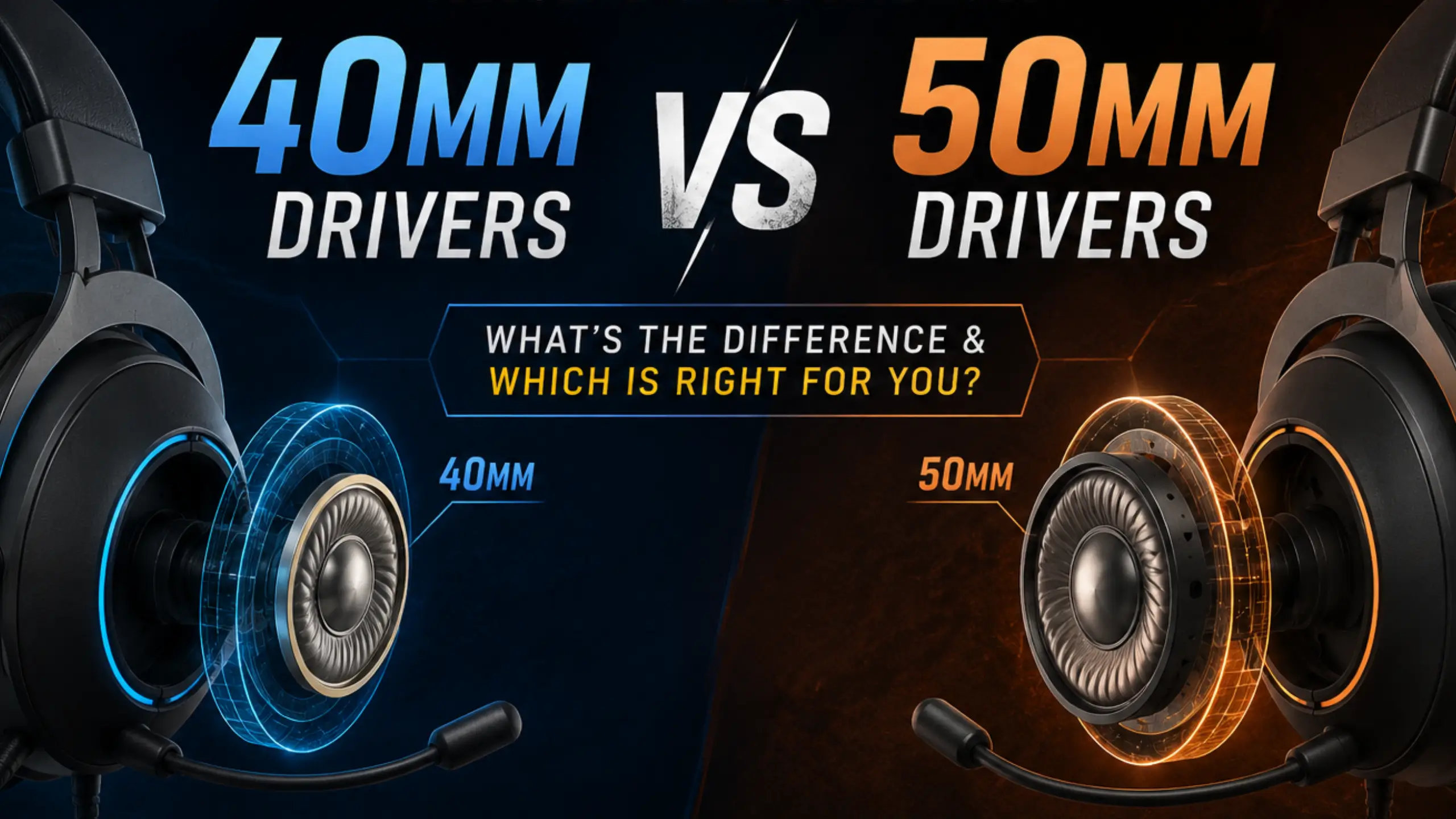
40mm vs 50mm Headsets: Does Bigger Driver Size Mean Better Sound?

Do you really understand the 40mm or 50mm drivers in a headset? This essential headphone spec is usually printed in big, bold type. What is a headset driver, and which is better: 40mm or 50mm driver size? Driver size shapes how a headset sounds, but it’s only one piece of a much bigger puzzle. In this guide, you’ll learn what a headset driver actually is and how 40mm and 50mm drivers stack up. By the end, you’ll know exactly what to look for.
40mm vs 50mm Headsets: Quick Review
| Feature | 40mm Drivers | 50mm Drivers |
|---|---|---|
| Bass Response | Moderate | Stronger |
| Audio Balance | Often more neutral | Often more powerful |
| Competitive Gaming | Excellent with proper tuning | Excellent with proper tuning |
| Immersion | Good | Better potential |
| Comfort | Usually lighter | Can be heavier |
| Power Efficiency | Higher | Slightly lower |
What Is a Headset Driver?
Before you compare sizes, it helps to know what you’re sizing up.
The “Speaker” Inside Your Headset
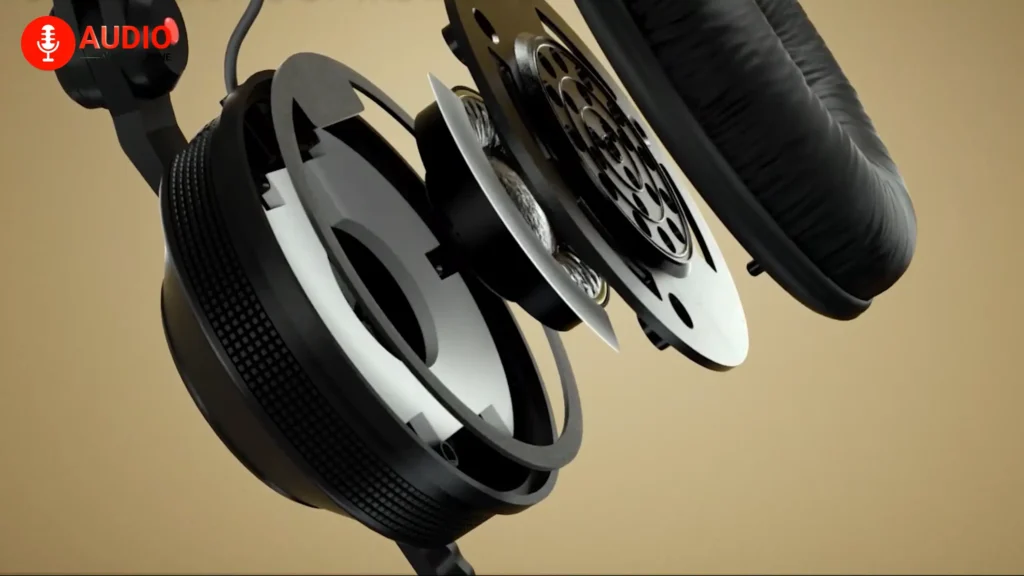
The driver is the speaker inside your headset. Its job is simple to describe and tricky to perfect: it converts the electrical signal from your device into the sound your ears pick up. Every beat, voice, and footstep you hear starts here.
Driver size refers to the diameter of that unit, measured in millimeters. That’s why 40mm and 50mm exist. They describe how wide the driver is, not how good it sounds.
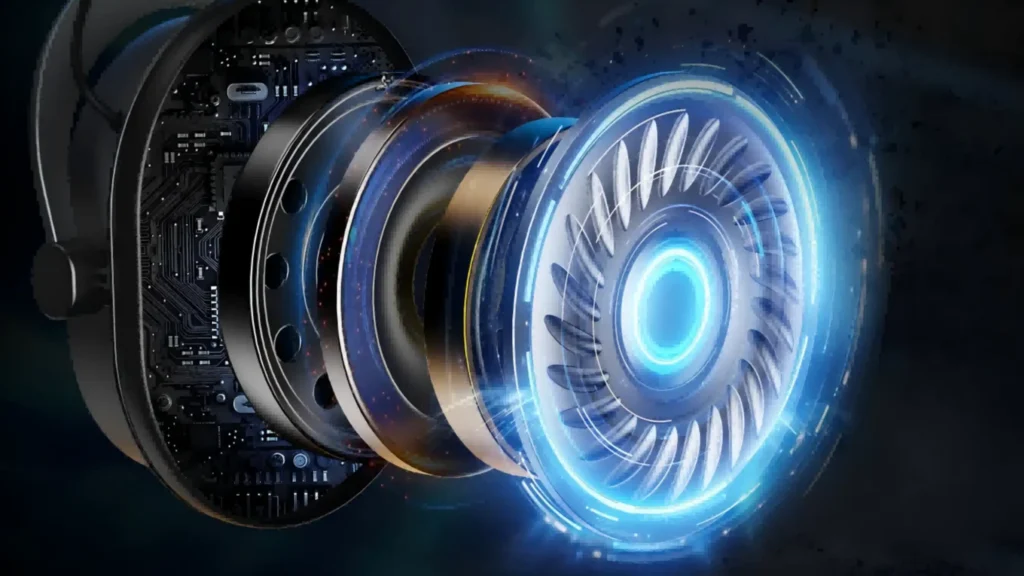
A dynamic driver, the most common type in gaming headsets, pairs a neodymium magnet with a diaphragm attached to a voice coil. The magnet creates a magnetic field, the coil moves the diaphragm, and that movement pushes air to make sound. It’s a strong mix of quality and affordability, though it can distort when you push the volume.
What Does Driver Size Actually Affect?
A larger driver can move more air, which tends to create deeper, fuller bass.
But size influences the type of sound a headset produces, not its overall quality. A bigger driver played loud is also more likely to distort, smearing detail and throwing off accurate reproduction. So, while a 50mm driver has greater bass potential, it only works if the headset is built to handle it.
40mm vs 50mm Drivers: What’s the Difference?
For over-ear headsets, the most common driver sizes are 40mm, 45mm, and 50mm. Most gaming headsets are designed with 40mm and 50mm drivers. The difference comes down to air. Here’s a quick snapshot before we dig into the details:
| 40mm Drivers | 50mm Drivers | |
|---|---|---|
| Air moved | Less | More |
| Typical bass | Moderate | Stronger |
| Common character | Balanced, neutral | Powerful, full |
| Power needed | Lower | Slightly higher |
| Weight | Usually lighter | Often heavier |
| Distortion risk at high volume | Lower | Higher |
#1: Bass and Low-Frequency Performance
50mm drivers earn their reputation. More surface area moves more air, and more air means the low frequencies hit harder. Explosions feel bigger, basslines sit deeper, and the rumble of an engine carries more weight.
A 40mm driver still delivers solid bass. It’s “moderate,” not “missing.” For plenty of listeners, that tighter low-end is actually preferable, because heavy bass can muddy the mids and highs if it isn’t controlled.
Mini Verdict: If chest-thumping bass is your priority, 50mm has the edge. If you want bass that stays out of the way, 40mm often does the job cleanly.
#2: Soundstage and Immersion
Immersion is about feeling surrounded by sound rather than just hearing it.
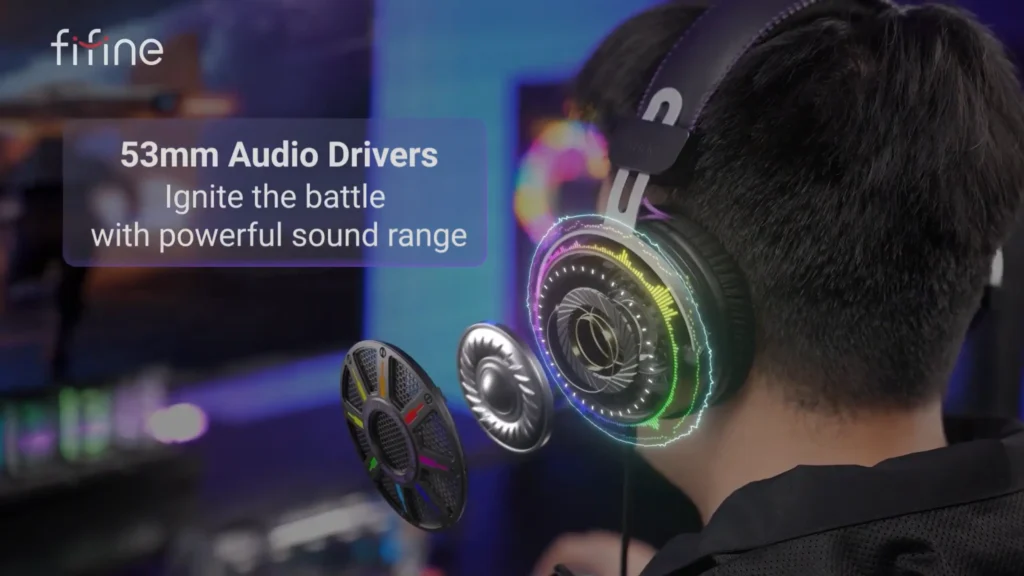
Bigger drivers, with their fuller low-end and broader presentation, often have more potential to create that enveloping effect. FIFINE H19 open-back headsets stand out for the immersion with the 53mm drivers. That’s handy when you want to disappear into a game world or a film.
But size isn’t a guarantee. A 40mm headset with smart tuning and good earcup design can feel just as spacious.
#3: Clarity and Detail
Clarity is where size can work against you. Push any driver hard enough, and it starts to distort, but larger drivers are more prone to it at high volume.
A 40mm driver, moving less air, often handles detail with a lighter touch, especially in the mids and highs where voices and instruments live.
But 40mm isn’t “clearer” by default. FIFINE H6 gaming headsets did a solid job on clarity with the 50mm driver. Viewer @iamthegamingnerd can enjoy the clean sound, just nudge the volume a little higher than usual. “Dialogue and ambient sounds came through clean, and positional audio was spot on,” he said.
#4: Weight and Comfort
Drivers take up space and add mass. A 50mm driver is physically larger, so 50mm headsets tend to be heavier.
For a six-hour gaming marathon or a full workday on calls, a lighter 40mm headset can be the difference between comfort and a sore neck. Comfort isn’t a sound spec, but it shapes how much you actually enjoy your headset.
Does a Bigger Driver Always Sound Better?
Short answer: no. Driver size barely cracks the top of the list when it comes to sound quality. The one thing it reliably affects is volume. Bigger drivers go louder. Everything else depends on factors that have a far greater impact.
Tuning Matters More Than Size
Tuning is how engineers shape the sound a driver produces, boosting some frequencies, taming others, and balancing the whole range. It’s the difference between a driver’s raw capability and the sound you actually hear.
Two headsets with identical 50mm drivers can sound worlds apart depending on how they’re tuned. Good tuning can make a modest driver shine; bad tuning can waste a great one. This is why driver technology matters more than driver size.
Which Driver Size Is Better for Gaming?
The right size depends on what you play. Here’s how 40mm and 50mm drivers tend to perform across different gaming styles.
For Competitive FPS Games
In competitive shooters, accuracy beats power. You’re listening for footsteps, reloads, and directional cues, not earth-shaking bass. Both FIFINE H9 40mm headset and FIFINE H13 50mm headsets can excel here, as long as they’re tuned for the clear mids and highs where those cues sit.

Tuning decides it. A balanced 40mm gaming headset can have a slight edge with a tight and controlled sound. Heavy bass from an untuned 50mm pair can actually bury the footstep you’re straining to hear.
For Open-World and Story-Driven Games
This is where bigger drivers get to flex. Open-world and story-driven games live on atmosphere: sweeping scores, rumbling environments, and cinematic set pieces. A 50mm driver’s stronger bass and fuller presentation feed that sense of scale. For an extreme immersive thunderstorm or a distant explosion, the FIFINE H19 53mm open-back headset absolutely wins.
For Casual Gaming and Multimedia
Either works. For casual sessions, a bit of everything plus music, streaming, and the odd movie, flexibility wins. A 50mm headset’s richer, more cinematic sound suits multimedia, while a 40mm headset’s lighter, balanced profile is easy to listen to for hours.
Choosing the Right Driver Size for Your Needs
Still on the fence? Match the headset to how you actually use it.
Choose a 40mm headset if you:
- Prioritize comfort and wear your headset for long stretches
- Prefer balanced, neutral sound over heavy bass
- Play mostly competitive games where positioning matters
- Want a lighter headset that’s easy on your head and neck
Choose a 50mm headset if you:
- Enjoy bass-heavy, powerful sound
- Play immersive RPGs and action games
- Watch movies and multimedia content regularly
- Want a more cinematic, room-filling experience
Whatever you choose, remember the number on the box is a starting point, not the final word.
Beyond Driver Size: What Makes the Sound Better?
If size isn’t the deciding factor, what is? Quite a lot, and most of it has nothing to do with millimeters.
- Driver material: The diaphragm material affects how cleanly it moves air. Better materials handle volume with less distortion.
- Magnet design: Stronger, better-designed magnets, like neodymium, control the diaphragm more precisely, which sharpens response and cuts unwanted movement.
- Open-back vs. closed-back design: Open-back designs let air pass through for a wider, more natural soundstage but leak sound. Closed-back designs seal in audio for stronger bass and isolation.
- Software processing and virtual surround sound: Digital tuning and surround modes can reshape the experience entirely, adding spatial cues a raw driver can’t produce on its own.
- Stereo vs. Surround Sound: Stereo uses two channels, left and right. Surround sound, usually software-driven, simulates audio from multiple directions. For competitive play, that directional awareness is gold, though poorly built surround can sound artificial and muddy your clarity.
- Soundstage and Imaging: Soundstage is the sense of space in your audio. Imaging is pinpointing exactly where a sound sits within that space. A wide soundstage with sharp imaging lets you hear an enemy coming from the left before you see them, no matter the driver size.
Which is Better for Gaming: 40mm vs 50mm Headsets?
Does a bigger driver size mean better sound? Not on its own. A 50mm driver can deliver stronger bass and a more cinematic feel, while a 40mm driver often brings balance, clarity, and lighter comfort. But tuning, materials, earcup design, and software shape your experience further.
The best gaming headset is the one that delivers the sound experience that matches your gaming style. Figure out how you play, decide what you want to feel, and let that guide you. The right number is the one that fits you.
FAQs
Is a 50mm driver better than a 40mm driver?
Not automatically. A 50mm driver moves more air, which usually means stronger bass and a fuller sound. But a well-tuned 40mm driver can sound better than a poorly tuned 50mm one. Tuning, materials, and design matter more than size alone.
Do bigger drivers mean louder headphones?
Yes. This is the one thing driver size reliably affects. Bigger drivers tend to play louder. The trade-off is that they’re also more prone to distortion at high volume, which can blur detail.
Are 40mm headsets good for competitive gaming?
Very. Competitive games reward clear mids and highs for footsteps and directional cues, not heavy bass. A balanced 40mm headset, properly tuned, can even have an edge, because tight sound makes faint details easier to pinpoint.
What matters more than driver size?
Plenty. Tuning, driver material, magnet design, earcup acoustics, open- or closed-back design, and software processing all shape sound quality. Soundstage, imaging, and microphone quality affect your experience more than the size of the box.
