

Open-Back vs Closed-Back Headphones: Not All Sound Is the Same

A sealed cup or a vented cup can make a big impact on your headphone shopping. Two pairs that look identical on the outside can deliver different experiences depending on whether the back is open or closed.
Open-back vs closed-back headphones? Closed-back is the practical pick as it handles most deals with one headphone. That said, open-back is the better-sounding option when the room cooperates.
To break this down fairly, we’ll look at the key differences and test the real-world performance of FIFINE open-back and closed-back headphones. You’ll get everything here.
Head to Head
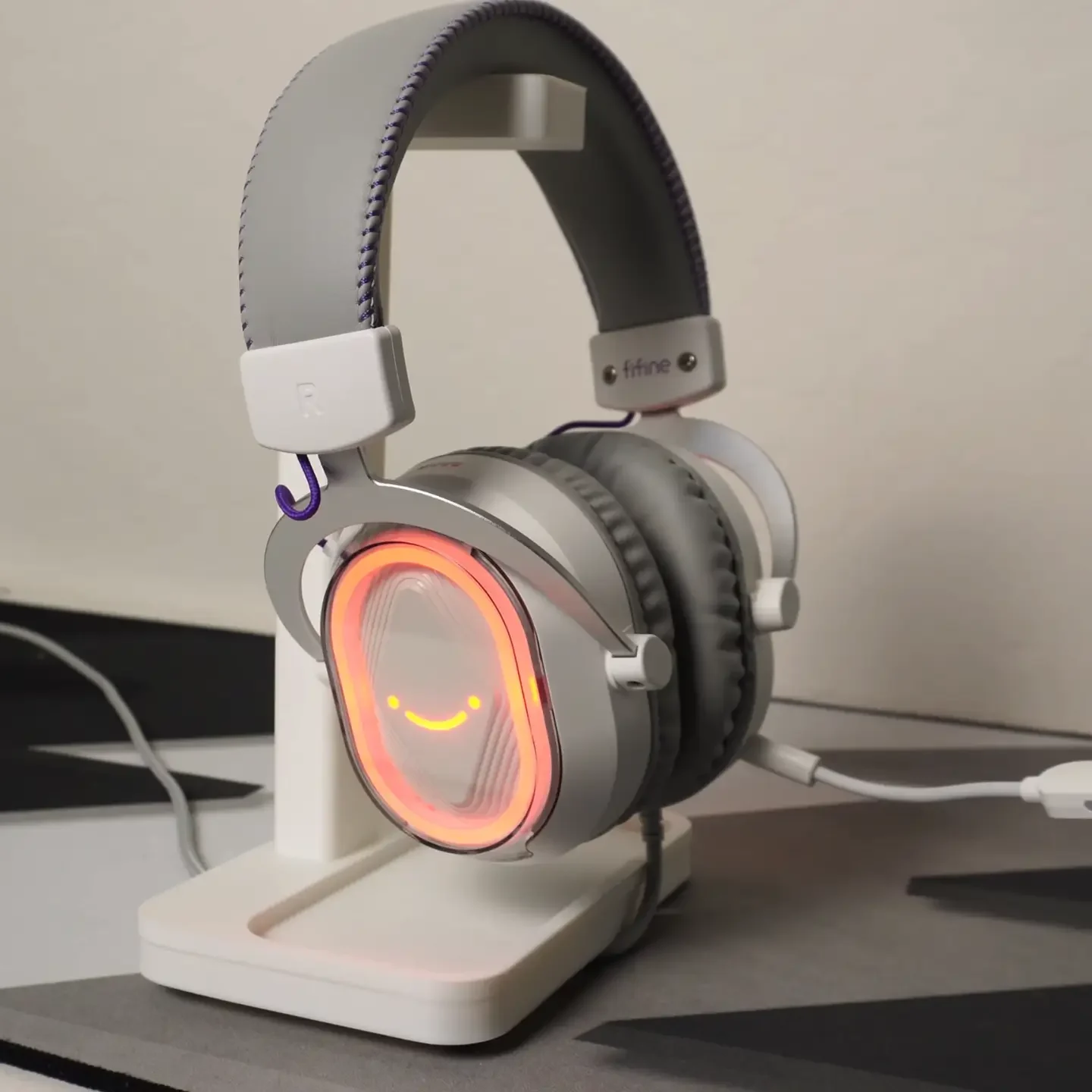
Closed-Back Headphones
- Sound stage:6/10
- Imaging accuracy:8.5/10
- Bass response:9/10
- Noise isolation:9.5/10
- Heat management:6/10
- Versatility:9.5/10
- Mic bleed protection:10/10
- Overall:8.4/10
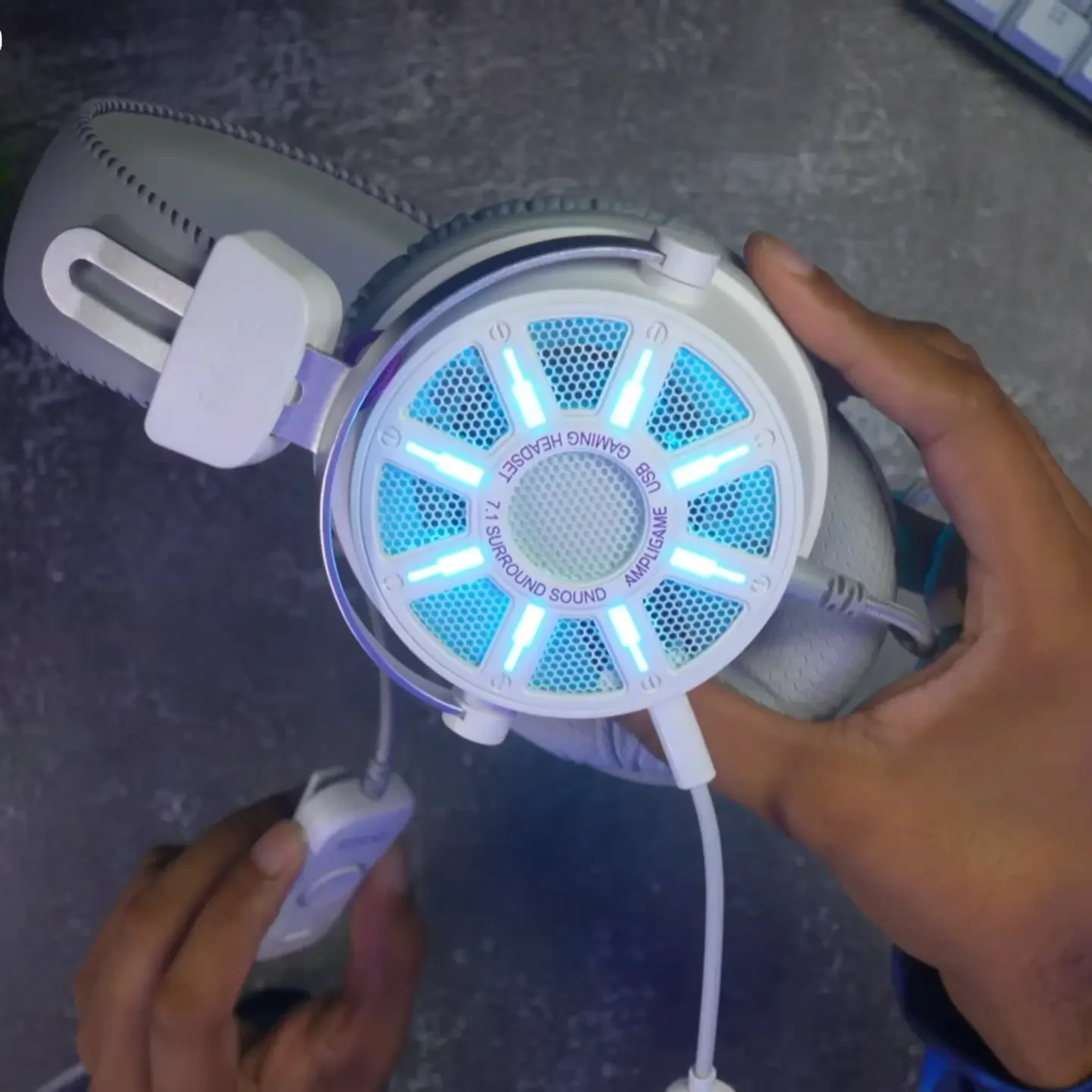
Open-Back Headphones
- Sound stage:9.5/10
- Imaging accuracy:8.5/10
- Bass response:7/10
- Noise isolation:2/10
- Heat management:9/10
- Mic bleed protection:1/10
- Versatility:5/10
- Overall:7.4/10
Open Back vs Closed Back Headphones: Detailed Measurements
Spec sheets can drown you in numbers that don’t translate to real listening. Five things change the day-to-day experience, and each one behaves differently across the two designs.
1. Sound stage
Winner: open-back.
Sound stage is the perceived size of the space your audio lives in. Closed-back headphones make music feel like it’s playing between your ears. Open-back headphones make it feel like it’s playing in the room around you.
The reason is physics: closed cups pressurize a small chamber behind the driver, which creates reflections and a more contained presentation. Open cups let those reflections escape, so the brain interprets the audio as more spatial. Open-back is closer to a speaker experience, though it still doesn’t quite match real monitors.
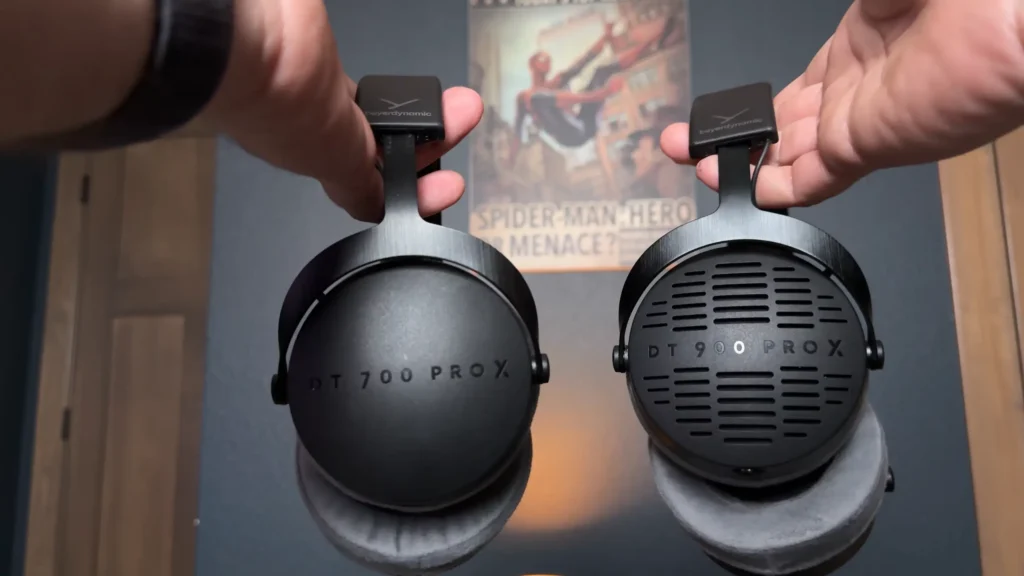
When it comes to gaming scenarios, the differences are most pronounced. Gamer @RobEverhard tested the Beyerdynamic DT 900 PRO X and 700 PRO X. The open-back 900 PRO X features a noticeably wider soundstage, making the audio seem to “happen all around you rather than just inside of your head.” In contrast, the 700 PRO X is “a more intimate and in-your-head presentation”.
2. Imaging
Winner: tied, with closed-back edging ahead for tactical use.
Imaging is about precision. Basically, your ability to place a footstep, a vocal, or a kick drum exactly where it sits in the mix. Both designs can image well, but they image differently.
Closed-back delivers a tighter, more immediate presentation that works well in competitive games. As @RobEverhard puts it, the closed-back headphone “helped me to pick up on sound cues with more confidence than I was able to with the open back version” and “I really enjoyed using the closed-back pair when playing Tarov”.
Open-back spreads those cues across a wider canvas, which feels more natural for music but can occasionally make you second-guess what you heard.
3. Bass and frequency response
Winner: depends on taste — closed-back for bass heads and EDM fans, open-back for acoustic, jazz, and classical listeners.
Closed-back cups trap air against your ears, which gives bass more punch and slam. Try this with any pair of headphones you own: while music is playing, pull the cups slightly away from your ears. The low end falls off a cliff. That seal is doing real work.
Closed-back headphones can sometimes overemphasize bass to the point of muddiness, especially on cheaper models with weaker drivers. Open-back headphones tend to have a more balanced, natural sound with airier highs, but the bass can feel lighter because there’s no sealed chamber to pressurize.
4. Isolation and leakage
Winner: closed-back, by a mile.
Closed-back headphones block outside noise and trap your audio inside the cups. Open-back headphones do neither. With the open-back on at moderate volume, anyone nearby can clearly hear what you’re playing, and you can clearly hear them.
It’s a dealbreaker for open-back headphones to office work, public transit, late-night listening next to a sleeping partner, and especially recording sessions where a microphone is in the room.
5. Heat and comfort
Winner: open-back
Sealed cups trap heat. After a long session, your ears can get warm and a little sweaty, especially with pleather pads. Open-back headphones vent heat through their perforated backs and stay cool across long sessions.
If you only care about wide, immersive sound in a quiet room, open-back is your design. If you need to record, commute, share a wall with anyone, or work somewhere noisy, closed-back makes your life easier.
The Real-World Picks: FIFINE H13 vs FIFINE H19
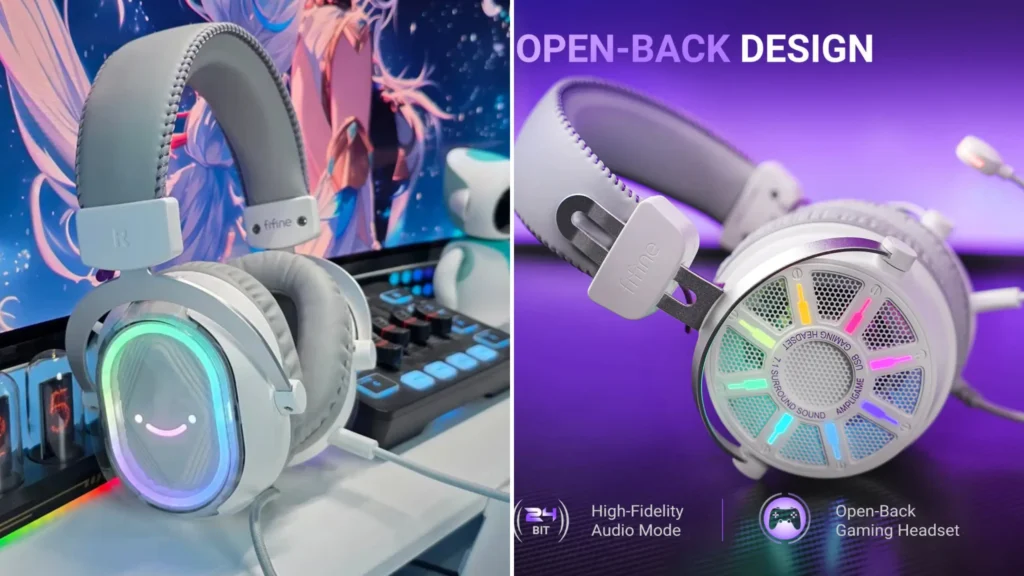
Theory is useful, but you’re eventually going to put money on a specific product. Let’s look at the FIFINE H13 and FIFINE H19. The real pick for open-back vs closed-back headset.
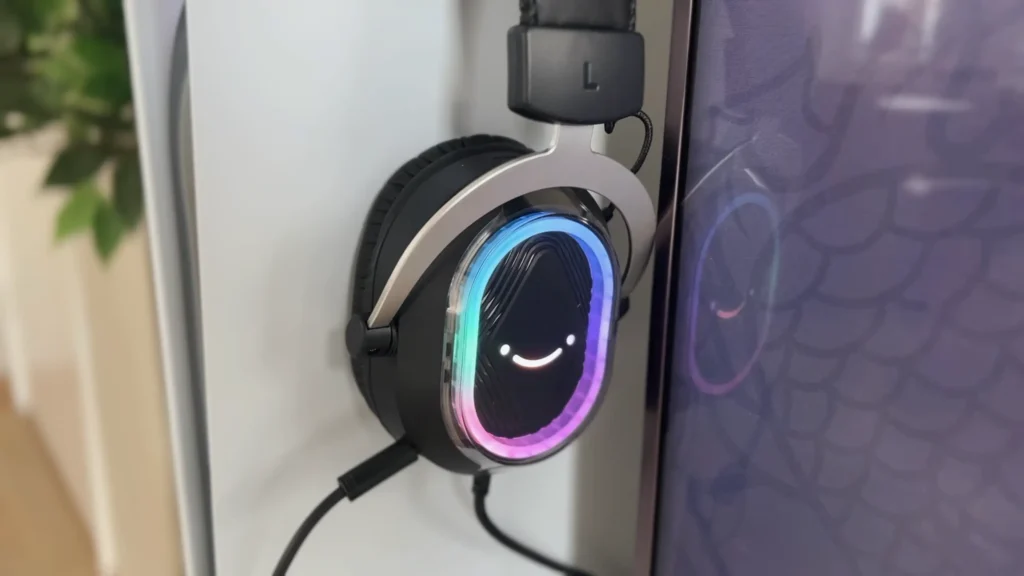
FIFINE H13 Closed-Back Headsets
The H13 is a closed-back USB gaming headset built around two 50mm dynamic drivers. The in-line USB box puts every control at your fingertips: 7.1 surround toggle, three EQ presets (music, gaming, movies), volume, mic mute, mic noise cancellation, and a chat/game audio mix slider.
What it does well:
- Stereo imaging is solid for competitive shooters — you can hear footsteps, jump pads, and enemies panning around you with confidence
- The mic noise cancellation actually works on background hum like ceiling fans, without turning your voice tinny
- USB-only setup means it works on PC, laptop, PS4, and PS5 with zero configuration (Xbox is the exception due to console restrictions)
- The 7.1 surround mode is a fun add-on for single-player and story-driven games, even if pure stereo is the better pick for ranked play
Best for: As a closed-back gaming headset, FIFINE H13 works well in a shared space or when you need a secret space, like Discord calls and Teams meetings. Also, a smart entry point for younger gamers or anyone who wants RGB lighting without paying triple-digit prices.
FIFINE H19 Open-Back Gaming Headsets
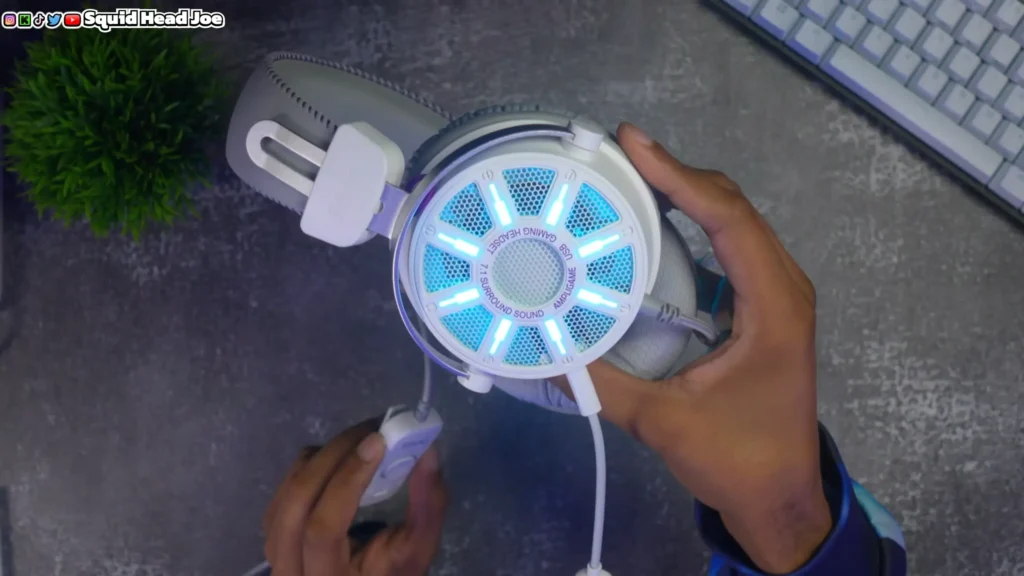
The H19 is the classic open-back gaming headset on FIFINE, which leans toward open-back immersion. It uses the same USB plug-and-play approach as the H13, with a similar braided 10-foot cable and an inline control box for volume, mic mute, EQ, surround, and mic noise cancellation.
What it does well:
- Open-back design creates a more immersive, expansive listening experience. Reduce the “head clamped in a box” feeling that comes with sealed cups
- The bass holds up where most open-backs fall short, with good reproduction of kick drum and bass guitar
- Lightweight build with metal brackets where it counts, plus thick padding on the headband and ear cups for long sessions
- Comfortable enough to wear for hours of YouTube, Zoom, or gameplay without fatigue
- The simulated 7.1 surround mode boosts lows and highs for a wider spatial image that works well in story-driven games
Best for: The FIFINE H19 open-back headset works in quiet rooms with a more immersive office. It lets you hear your own voice naturally, which stops you from shouting into the mic.
Open-Back vs Closed-Back Headphones: How to Pick?
The fastest way to pick is to match the headphones to where and how you actually use them. Here we’ll show how to pick the right headsets with the FIFINE open back and closed back headsets, H13 and H19.
| Scenario | Better Pick | Why |
|---|---|---|
| Recording vocals or instruments | Closed-back (H13) | No click track or backing audio bleeds into your microphone |
| Mixing and mastering | Open-back (H19) | Wider stage and more natural mids help with reverb and panning decisions |
| Competitive shooters | Closed-back (H13) | Tighter imaging and zero outside distractions for confident sound cues |
| Story-driven, single-player games | Open-back (H19) | Wider sound stage makes open worlds feel like you’re inside them |
| Long listening sessions in a quiet room | Open-back (H19) | Less ear fatigue, better heat dissipation, and a more natural balance |
| Shared apartment or busy household | Closed-back (H13) | Doesn’t leak audio to roommates and doesn’t pick up their noise |
| Streaming with a sensitive desk mic | Closed-back (H13) | Stops your headphone audio from bleeding into your stream |
| Casual music and YouTube at home | Open-back (H19) | More immersive, more comfortable for hours-long sessions |
Final Verdict: Open Back or Closed Back?
After a long discussion, it can be said that the versatility makes closed-back headsets the overall pick for most people. It covers more situations than the open one, whether recording, communication, or gaming. It’s competent at everything.
For those mixes or masters in a treated room and values raw sound quality over portability, open-back headsets are the right call. The open-back design is genuinely the better-sounding option, and the wider stage isn’t marketing language — it’s real.
Open back vs closed-back headsets? The smartest move is to own one of each. Closed-back for tracking, open-back for mixing. What matters most is to pick the one that matches the noisier reality of your daily life, be it the best streaming headsets or the best gaming headsets.
FAQ
Can I use open-back headphones for recording vocals?
For monitoring playback in a quiet space, yes. For tracking with a microphone in the same room, no. The click track and everything else you’re hearing will leak out of the cups and into the mic. You’ll spend more time editing out bleed than you saved by using a nicer-sounding pair.
Are open-back headphones really worth it for gaming?
For single-player and open-world games, yes — the wider sound stage makes the experience genuinely more immersive. For competitive shooters, it’s less clear. The wider stage can dilute your confidence in imaging, and any noise in your room can be mistaken for in-game audio. If you live somewhere quiet and play story-driven games, go open. If you grind ranked matches in a busy household, go closed.
Will closed-back headphones damage my hearing faster?
The design doesn’t damage hearing — volume does. That said, closed-back cups can mask how loud you actually have things turned up, which can push you toward higher levels without realizing it. Keep an ear on yourself during long sessions, or use a meter app on your phone.
Why does my open-back pair sound thinner on bass?
The vented design lets low-end energy escape instead of pressurizing the air around your eardrums. Some open-back models tune around this, but most trade a little bass slam for more natural mids and highs. It’s a feature, not a flaw — just not what you want if you’re a bass head.
Do open-back headphones really leak that much sound?
Yes. At moderate volume, anyone in the same room can clearly hear what’s playing. Don’t wear them in a shared office unless you’re confident in your taste in music and your coworkers’ patience.
