

FIFINE Tank1 Review: XLR Dynamic Mic with Pro Sounds

Many FIFINE microphones rely on USB connectivity and budget-friendly price points, and they stand out as solid starter gear that gets the job done without overthinking. The FIFINE Tank1 breaks that pattern. This FIFINE XLR microphone is an all-metal dynamic mic loaded with features that budget mics rarely include.
Does Tank 1 justify the confidence? We dug into multiple FIFINE Tank1 reviews and broke the performance down into seven measurable categories. Here’s what we found.
FIFINE Tank1 Review Head to Head
8.3/10: XLR Dynamic Microphone · Cardioid · Low Cut + Presence Boost
Pros
- All-metal build feels indestructible
- Warm, full sound that rivals much pricier mics
- Onboard low cut and presence boost switches
- Strong background noise rejection
- Includes 5/8-to-3/8 thread adapter
Cons
- Requires a high-gain audio interface
- Heavier than most competitors (894g)
- No pop filter or windscreen included
- Can emphasize sibilance (“S” sounds) for some voices
- XLR only — no USB fallback
1. Sound Quality
8.5 / 10
The Tank 1 delivers a warm, full-bodied tone with solid low-end support. In neutral mode (both switches off), the mic produces a rich, balanced sound that flatters deeper voices especially well.
Dave Soltura, a voice actor, compared it directly to the Rode PodMic and found the Pod Mic sounded “nasally and somewhat unclear” by comparison, while the Tank 1 offered noticeably more vocal warmth and support.
Engaging the presence boost switch adds roughly 4 dB at around 3 kHz, with smaller bumps at 1.3 kHz and 6 kHz. The result is sharper articulation and more vocal “cut” — useful for voices that tend to sit back in a mix.
To my ear, even with a presence boost on, the Tank1 still sounds warmer and more pleasant overall.
@Dave Soltura – Voice Actor on YouTube
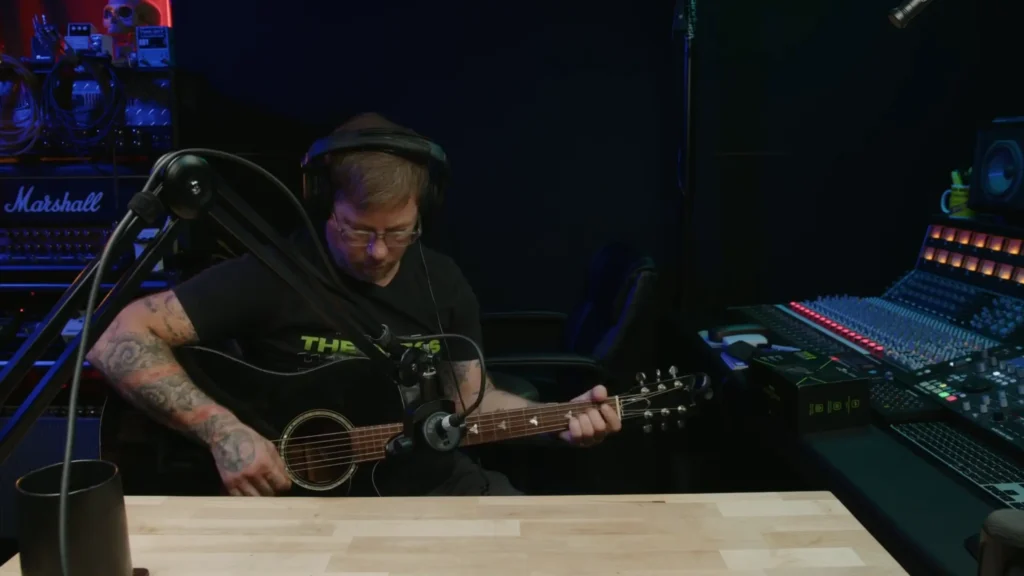
For guitar recording, the Tank 1 handled acoustic strumming capably, producing a warmer tone than the Rode PodMic, particularly without the presence boost engaged. It won’t replace a dedicated instrument mic, but it’s a perfectly serviceable bonus.
2. Build Quality
9.5 / 10
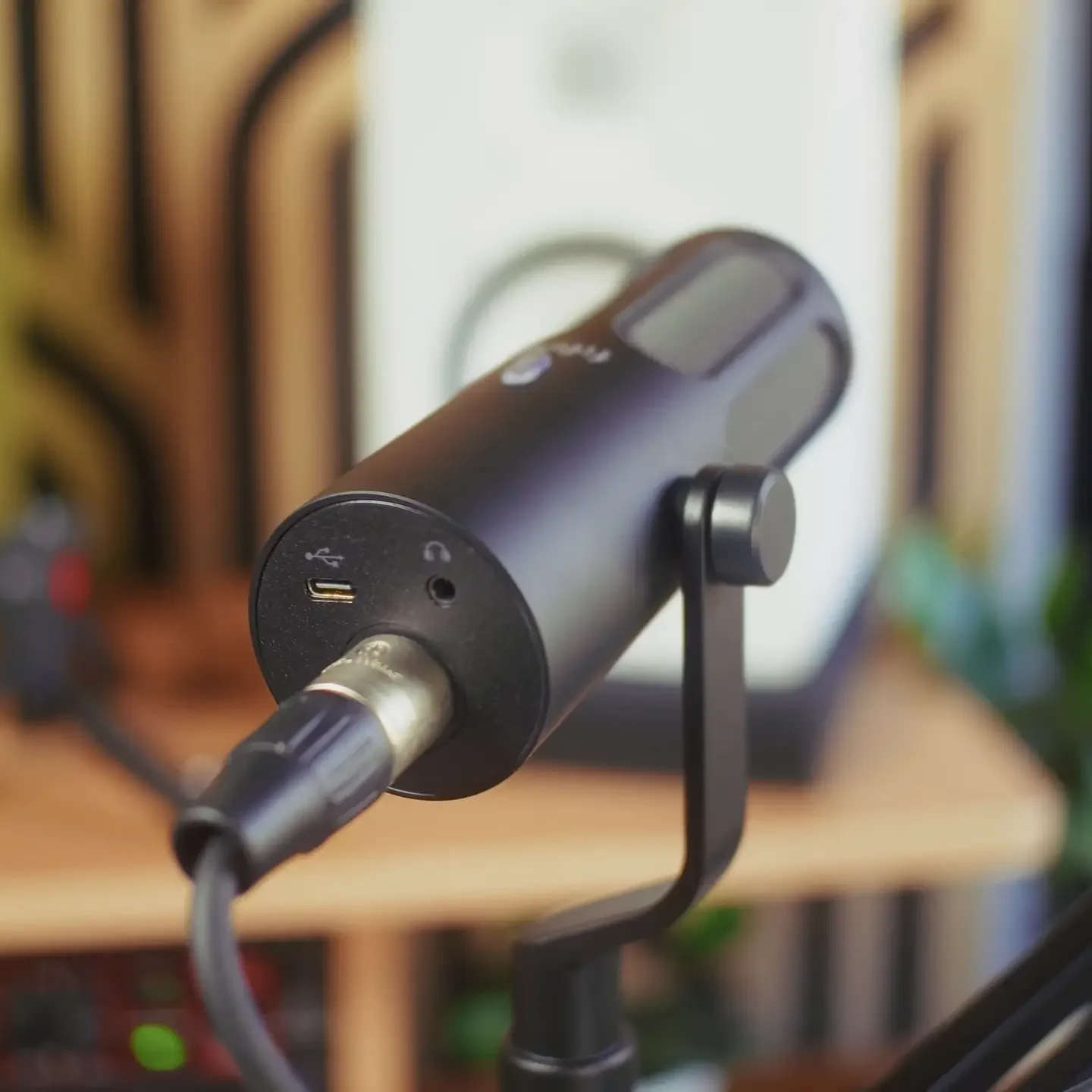
FIFINE Tank1 is built like a tank. The all-metal construction gives the mic a heft and solidity that feels premium. The metal yoke mount is rigid. The grill doesn’t flex under pressure. The only plastic components are the switch knobs on the back — everything else is solid metal.

At 894g, Tank1 is heavier than both the Rode PodMic (872g) and the Shure SM7B (840g). That weight signals durability, but it also means you’ll want a sturdy boom arm, like FIFINE BM88.
The mesh grill closely resembles the Rode PodMic’s design in terms of rigidity and look, and the overall blacked-out aesthetic gives it a professional, understated appearance that won’t distract on camera.
3. Background Noise Rejection
8.0 / 10
The cardioid polar pattern does its job well. In off-axis tests by @Coffee Talk & Tech, turning the mic 90° and 180°, sound drops off sharply, which is exactly what you want in a home studio or untreated room. Side-by-side with the Rode PodMic, overall noise rejection is closely matched.
One notable detail: the Tank1 captures slightly more high-frequency ambient sound than the PodMic. If you’re recording near an AC unit or fan, you might pick up a touch more hiss. The low cut filter helps here, rolling off rumble below 150 Hz — trucks, desk bumps, footsteps — without thinning your voice too much.
For best results, keep the mic 2 to 6 inches from your mouth. Moving beyond a foot introduces noticeably more room sound, which is standard for this mic type.
4. Versatility
8.5 / 10
This is where Tank1 separates itself from most competitors in its price bracket. Two physical switches on the back, a low-cut filter (150 Hz), and a presence/mid boost give you four distinct tonal profiles without opening any software.
The low cut is gentle enough to keep your voice sounding natural while taming desk rumble and environmental bass. The presence boost adds clarity and forward energy to vocals. Together, they effectively let you tailor the mic to your voice and recording environment right at the source.
Both the Tank1 and Rode PodMic share a 50 Hz to 15 kHz frequency range, but the Tank1’s switches give it a clear versatility edge. That said, the frequency ceiling of 15 kHz means this isn’t ideal for capturing ultra-high-frequency detail. But it’s a minor tradeoff for a podcast-focused dynamic mic.
5. Ease of Use
7.0 / 10
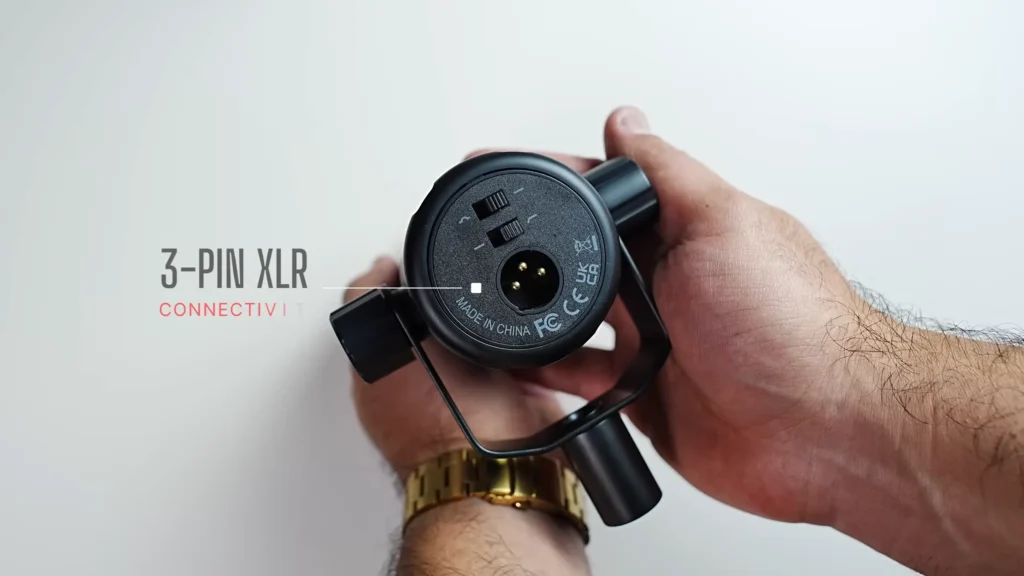
The FIFINE Tank1 microphone is XLR only. You need an external audio interface, and it needs to deliver serious gain. @Coffee Talk & Tech used Tank1 with the SSL 2 Mark I audio interface, and was nearly at 100% gain. An interface offering at least 50–55 dB of clean gain is the minimum for a usable signal.
If your interface can’t deliver enough gain, you’ll want an inline preamp booster like the CL-1 Cloudlifter or the Clark Teknik CM-2, @Coffee Talk & Tech said. They add roughly 20 dB of clean boost for around $25.
On the plus side, the mic includes a 5/8-to-3/8 thread adapter, so it mounts to virtually any boom arm or stand without hunting for accessories. However, no XLR cable is included. Please prepare one when you get Tank1.
6. Sibilance Handling
7.5 / 10
This is Tank1’s one soft spot. “S” sounds come through more prominently than expected, particularly with the presence boost engaged. @Raccoon Point Studios described hearing sibilance “like crazy” through monitoring headphones. With the boost off, the mic sounds mellower and warmer, less harsh than the Rode PodMic in direct comparison.
If you naturally produce sharp sibilance, you may want to keep the presence boost off or handle de-essing in post-production. Also, a foam cover or pop filter will be helpful for plosives or sibilance.
7. Value for Money
9.0 / 10
At full retail (~$110), the Tank1 costs about 20% more than the Rode PodMic. That premium buys you two onboard tone-shaping switches, warmer low-end response, and marginally better noise rejection.
You’re essentially getting a mic with SM7B-like gain requirements and tonal character at a fraction of the cost. The feature set punches well above its price class. The only caveat: if you don’t already own an audio interface, factor that into your total budget. The mic alone is a steal, but the full setup cost is higher than a USB mic solution.
Who Is the FIFINE Tank 1 For?
| Use Case | Fit? | Notes |
|---|---|---|
| Podcasting | ✔ Great fit | This is exactly what Tank 1 was built for. Warm voice, low noise, tonal switches. |
| Live streaming | ✔ Great fit | XLR setup keeps your chain flexible. Pairs well with streaming interfaces like the Rodecaster Duo. |
| Voice-over | ✔ Good fit | Studio vocal recording/singing |
| Acoustic instruments | ✔ Decent | Handles acoustic guitar respectably. Not a replacement for a dedicated instrument mic. |
| Studio vocal recording/singing | ✘ Not ideal | A large-diaphragm condenser will outperform it for detailed vocal capture. |
| Beginners without an interface | ✘ Not ideal | XLR only — no USB option. Consider the FIFINE Tank 3 for USB-C flexibility. |
FIFINE Tank1 Alternatives
Rode PodMic
7.8 / 10
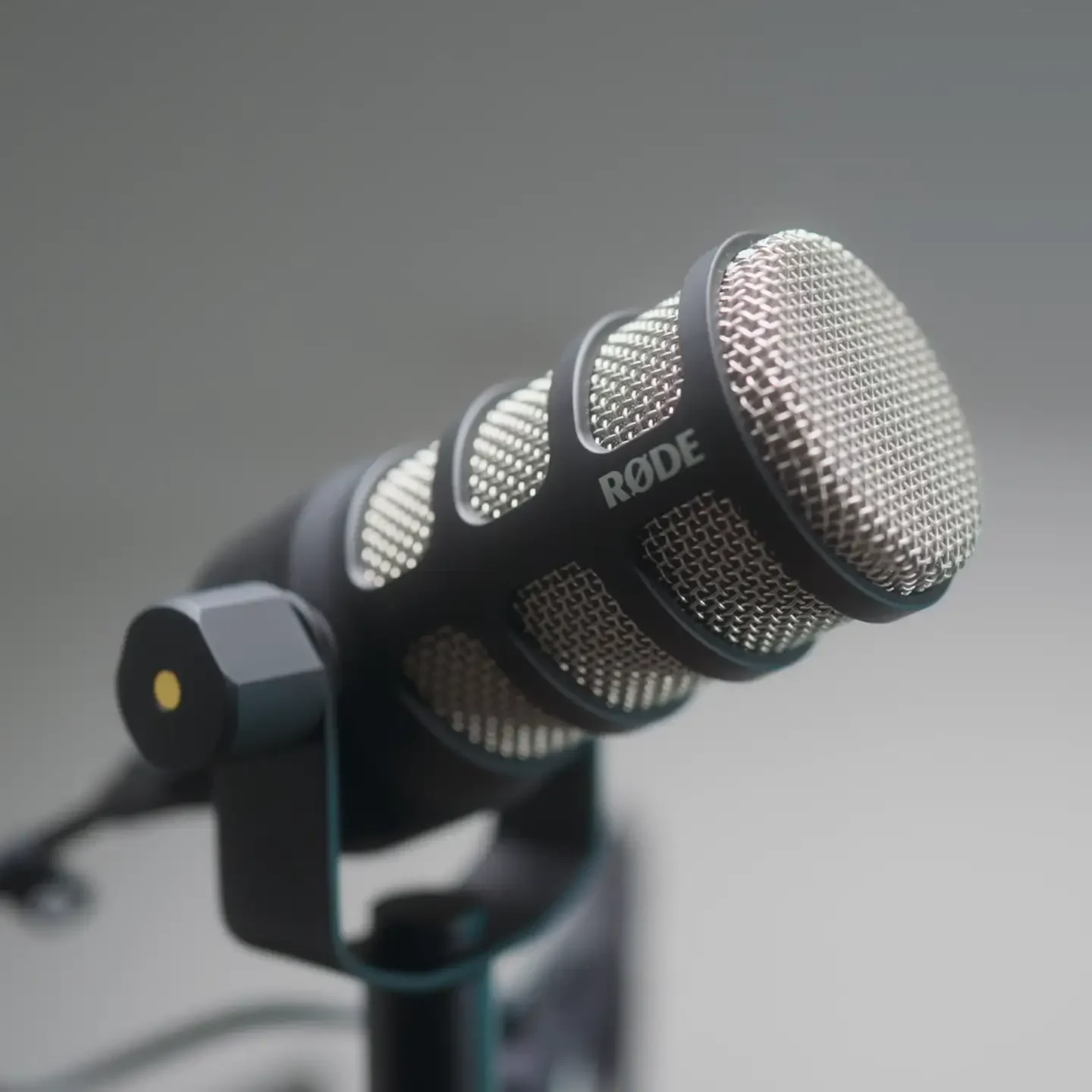
Rode PodMic is always a long-standing budget podcasting favorite. The Rode PodMic delivers a clean, slightly brighter sound and a polished two-tone design. It requires slightly less gain than the Tank 1 and weighs marginally less (872 g). However, it lacks onboard tone-shaping switches.
Pros
- Established, well-reviewed track record
- Premium two-tone design
- Slightly lighter weight
Cons
- No onboard EQ switches
- Harsher sibilance for some voices
- Less low-end warmth than Tank 1
Shure SM7B
9.2 / 10
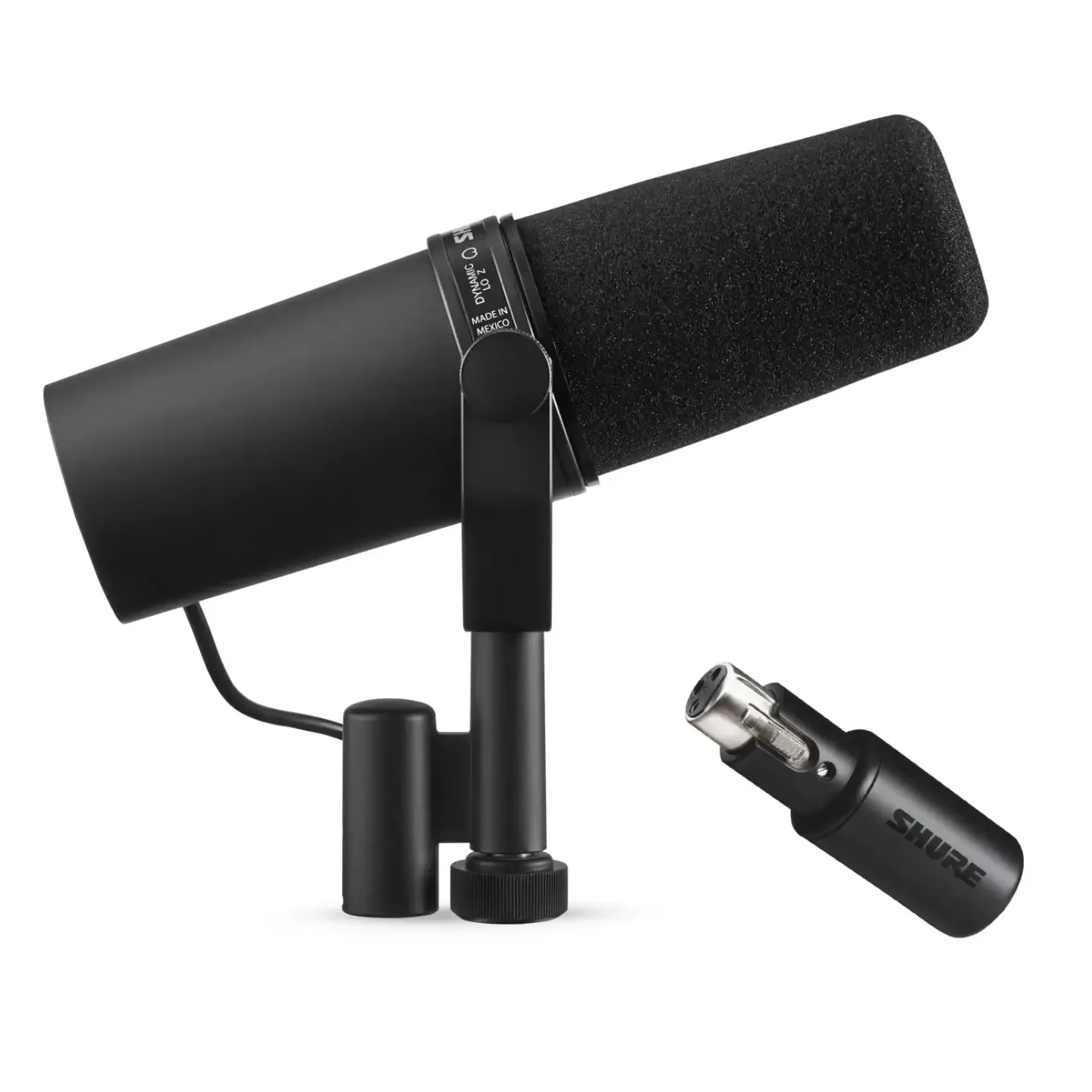
The Shure SM7B delivers a polished, broadcast-ready sound that’s been used on everything from FM radio to Joe Rogan’s studio. It’s lighter than both the Tank1 and Rode PodMic (840 g) but demands even more gain. Though the investment is higher than Tank1, for professionals who need industry-proven reliability, nothing else quite feels the same.
Pros
- Broadcast industry standard
- Exceptional off-axis rejection
- Built-in pop filter and flat/presence switches
Cons
- Roughly 3× the price of the Tank 1
- Requires serious gain (Cloudlifter recommended)
- No onboard low-cut filter
FIFINE AmplitTank Tank3
8.7 / 10
If you want FIFINE’s engineering without committing to an XLR-only workflow, the Tank3 offers USB-C connectivity alongside solid sound quality. It won’t match Tank1’s warmth or tonal control, but it’s plug-and-play. The FIFINE Tank3 is a smart choice for beginners building their first setup or anyone who needs portability.
Pros
- USB-C plug-and-play convenience
- No audio interface required
- Good entry point into FIFINE’s ecosystem
Cons
- Less warmth and low-end richness
- Fewer onboard controls
- Not the same “flagship” build quality
Final Verdict on FIFINE Tank1 Review
The FIFINE AmpliTank Tank1 microphone has been a legitimate contender. It delivers warm, articulate vocals out of a near-indestructible body, with onboard tone shaping that most mics in this range simply don’t offer. The XLR-only design isn’t for anyone. But it’s the strongest pick for those who already have an interface.
Want a simpler workflow like plug-and-play simplicity? The FIFINE Tank3 USB/XLR microphone gives you similar DNA in a more accessible package. But if you’re ready for an XLR workflow, the Tank1 earns its name — it’s built like a tank, and it sounds like one too.
FAQs
Does the FIFINE Tank1 work with USB?
No. The Tank1 is XLR only. You’ll need an audio interface or mixer to use it. If you want USB-C connectivity, look at the FIFINE Tank3 or Tank6 instead.
How much gain does the Tank1 need?
Aim for an interface that delivers at least 50–55 dB of clean gain. Budget interfaces with lower gain output may require an inline preamp booster like the Clark Teknik CM-2 or a Cloudlifter.
Is the Tank1 good for singing or music recording?
It handles acoustic guitar and spoken vocals well, but for detailed singing or studio vocal work, a large-diaphragm condenser mic will give you more fidelity and high-end detail.
Does it come with an XLR cable?
No. The box includes the mic, the yoke mount, and a 5/8-to-3/8 thread adapter. You’ll need to supply your own XLR cable.
How does the FIFINE Tank1 compare to the Rode PodMic?
The Tank1 offers warmer low-end, onboard EQ switches (low cut and presence boost), and marginally better noise rejection. The PodMic is lighter, slightly cheaper, and has a longer track record. Both are excellent — your choice depends on whether you value features (Tank1) or brand pedigree (PodMic).
