
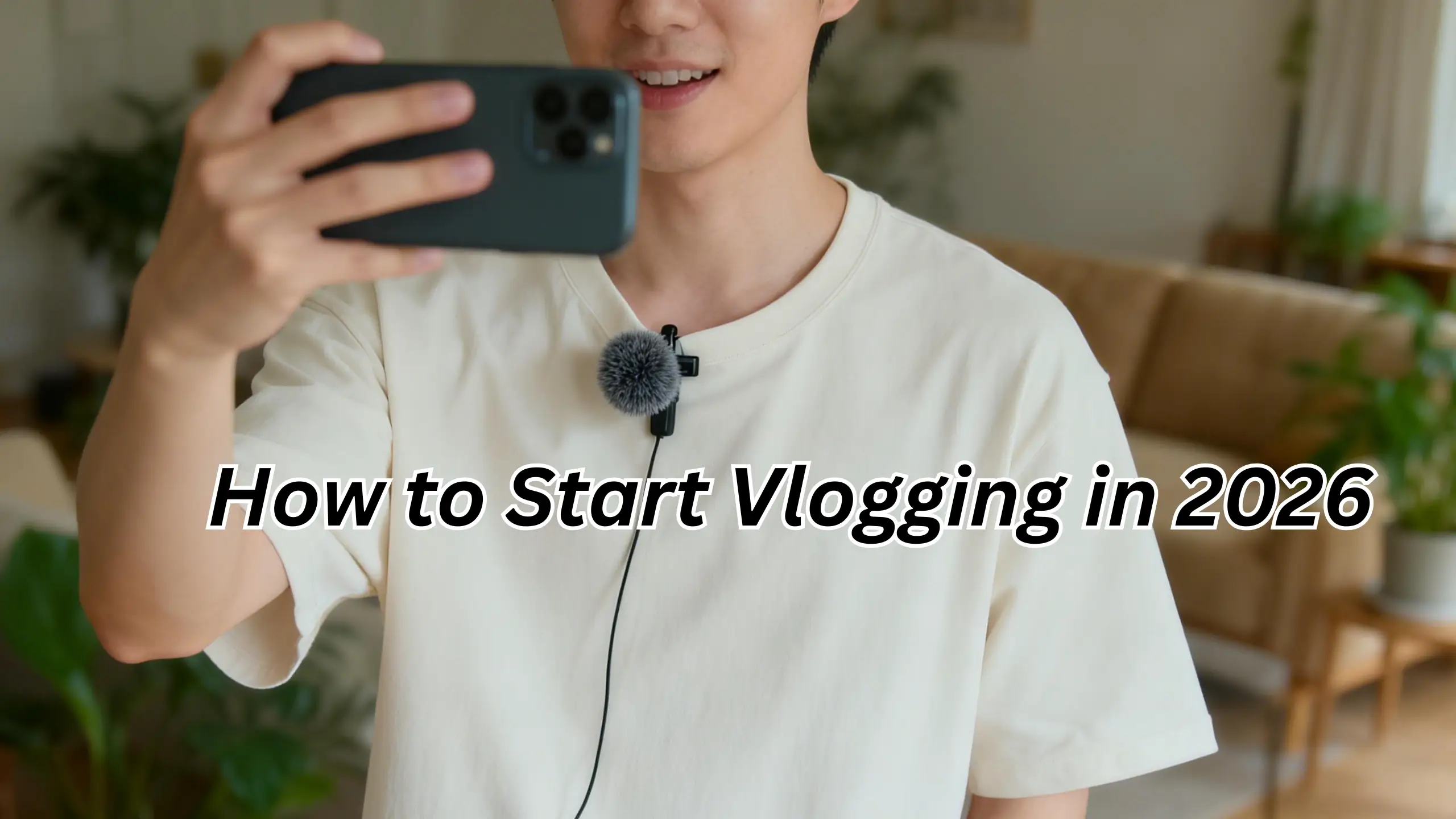
How to Start Vlogging in 2026: 10-Step Guide for Beginners

You can take your vlog anytime and anywhere nowadays, whether you’re on commutes or doing chores. You don’t need a $5,000 camera. A smartphone, a decent microphone, and a quiet space are enough. But, how to start vlogging if you’re new? By the end of these 10 steps, you’ll know how to find your topic, structure a vlog, talk on camera without freezing, and publish consistently — with your first upload live within 48 hours.
Step 1: Film One Interesting Thing, Not Your Whole Day
The old vlogging playbook — think Casey Neistat-style content — asked you to film from sunrise to bedtime. That meant three to four hours of raw footage and the pressure to make mundane moments cinematic. For beginners, it’s a fast track to burnout.
Pick one part of your day that relates to a topic your audience cares about. A food vlogger, for example, isolated just his Costco shopping trip. This specific topic was what viewers were searching for, and it highlighted what people cared about.
How to do:
- Keep raw footage to 30–60 minutes. Less footage = fewer editing headaches.
- A beginner named Carrie started from zero subscribers, filming weight-loss content in her car — no edits, no setup. Within a month, a video hit 30,000 views. A later unedited car video reached 360,000 views because she focused on one topic with a clear takeaway.
Step 2: Pick a Theme So People Know Why They’re Clicking
Without a theme, every upload feels random — and random doesn’t build subscribers. Also, your content has to better consist with your theme.
YouTuber @Cathrin Manning always shares YouTube tips in her vlog on YouTube. Once, she shared a travel vlog about Alabama and a vlog about her daily life. The result doesn’t work well as she thought. That’s because her audience followed her for YouTube tips, not travel content. After she realigned vlogs to behind-the-scenes of running a YouTube business, engagement recovered.
So, keep your content always focused on your theme. Look at creators like Sarah’s Day, who vlogs daily life but always weaves in a workout or recipe — keeping every video inside her health theme.

How to do:
Ask yourself before vlogging: what do I want to be known for? A theme is broader than a niche. “Workout routines” is a niche; “healthy lifestyle” is a theme that lets you cover meals, mindset, recovery, and setbacks under one umbrella.
Step 3: Talk to One Person, Not the Whole Internet
Do you feel uncomfortable seeing yourself on camera, or do millions of viewers make you freeze, overexplain, and sound stiff? It’s a common situation for beginners.
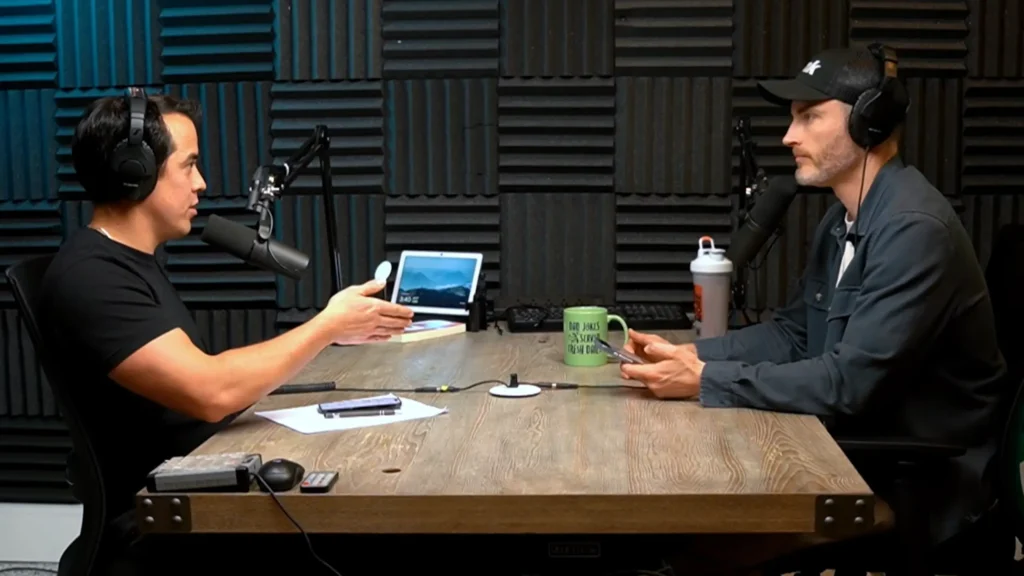
A seasoned vlogger, @Jason Zhao, has talked about how to start vlogging. He thinks that’s normal “because you’re having a conversation with nobody at the same time with everybody. You’re addressing people through a camera, but the camera doesn’t talk back to you. So, it makes for a lot of awkward pauses.”
Just talk on camera like you’d talk to your best friend about the topic. You’re already comfortable in that setting — translate it to video. With 8 billion people on the planet, the algorithm will find your tribe.
How to do:
- Use a two-part structure each time you pick up the camera. First, the basics: where you are, what you’re doing, what time it is. Second, the why: your motivation, a bit of backstory. That easy opener builds momentum and keeps the conversation flowing naturally.
- Give the viewer a reason to come along. Instead of “I’m going to the store,” try something like “This reminds me of when everything cost more in Chicago, so I’m heading to the dollar store to see if I can save a few bucks.” That’s the context that invites the viewer in.
Step 4: Share a Takeaway, Not a Timeline
A vlog that just recaps your day gives viewers no reason to return. A takeaway: vlog one part of your day. A part of your day that’s related to a topic that you’re interested in, and more importantly, the viewer is interested in.
Before filming, identify the one thing your viewer should walk away with. @Think Media Podcast shares his ideas. For a shopping trip vlog, just take the Costco part. That’s the topic not only the vlogger is interested in and wants to highlight, but also other people are interested in. Takeaways can also be entertaining: every good story has a moral. Think of how you’d recap your day to a partner — the wins, the losses, the unexpected realization.
Step 5: Lead With Opinions, Not Expertise
If you wait to become an expert, you might never upload.
People are consuming content; it’s not based on your influence. It’s based on your interest, and we call it interest media.
@Think Media Podcast for starting vlogging
@Think Media Podcast also shares one vlogger, Carrie. Carrie embarked on a weight-loss journey, shedding 100 pounds (approximately 45 kilograms). She shared this experience in a vlog, offering guidance to others on how to improve their health, lose weight, and adopt a healthy lifestyle. Speaking directly to the camera—without any edits—she recounted her story candidly. As a result, within just one month, not only did one of her videos garner 30,000 views, but her subsequent videos went on to reach view counts of 100,000.
How to do?
Share what you think, not just the facts. Your opinion is what no one else can replicate. Telling stories is really just sharing your perspective on something others are also looking at. Channels that take a clear stance grow faster because strong opinions attract engaged audiences. You don’t need credentials — everybody has opinions, they’re all different, and that’s the whole point.
Step 6: Show the Process, Not the Highlight Reel
Compared to the professionals who have teams and budgets, raw, process-driven content wins because audiences connect with the messy, human journey.
Stop cutting out the imperfect parts. One food vlogger used to run a Food Network-style recipe channel with a $5,000 camera and a videographer — all for a six-minute polished video. Now he films casual cooking vlogs (“a dad cooking lasagna for five daughters”) and leaves in every mistake, even hitting the record button. The unedited version became his highest-performing upload. Why? Viewers prefer the relaxed one.
How to do
- B-roll breaks up talking segments. Simple shots — your hands prepping food, your walk to the car, filling a water bottle — add texture. Change camera angles for variety.
- No-edit workflow: shoot clips sequentially, drag them into a timeline, export. That’s a finished vlog. Save the polished highlight reel for YouTube Shorts.
Step 7: Pick the Right Equipment for Your Budget and Style
You may always feel anxious about your gear when you’re starting your vlog. Don’t need to spend too much time on it. The best camera is the one you already own.
Start with your smartphone. Several successful vloggers film entirely on their phones. If you want a dedicated camera, the one feature worth prioritizing is a flip-out screen.
Without one, you’re guessing whether you’re in focus and in frame. A compact vlogging camera like the Canon EOS M50 or the DJI Pocket 3 covers most creators well.
Pro tips:
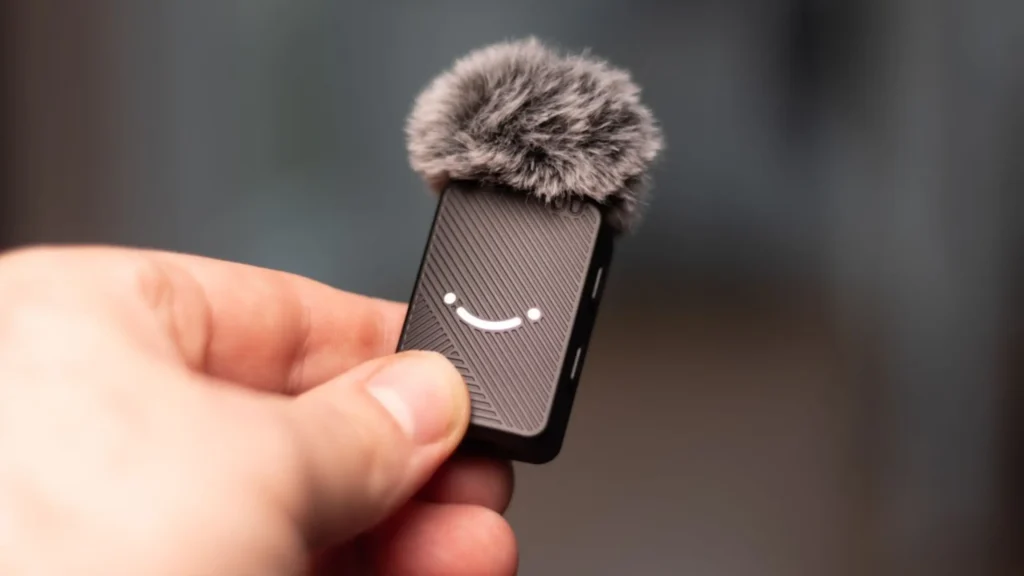
- Audio is king. Bad sound kills a video fast. A clip-on lavalier mic or compact USB mic like FIFINE M9 wireless microphone for about $50 is the single most impactful upgrade you can make.
- Grab a 128 GB memory card so you never worry about running out of storage mid-vlog. A small handheld tripod (around $18) steadies your shot while walking and doubles as a table stand for hands-free filming.
Step 8: Use Your Real Voice, Imperfections Included
The algorithm rewards authenticity over polish. The era where you needed fancy editing or a production team to compete is fading.
What to do:
Stop trying to sound like a broadcaster. Stumbles and unscripted pauses make you relatable. Invest in audio over video — a $30–50 clip-on mic dramatically improves quality. Viewers forgive shaky footage long before they forgive bad sound. Look at the lens, not the screen, for natural eye contact. If your hands shake, rest your elbow on a surface or grab a mini tripod for under $20.
Step 9: Chase Volume, Not Views
Uploading frequently builds skills, audience trust, and algorithmic momentum.
What to do:
Upload as often as possible in your first 30 days — daily if you can. There’s a concept called the mere exposure effect: the people you see most often are the ones you feel closest to. The same applies to YouTube.
@Think Media Podcast has been uploaded daily for a month. He said that viewers felt let down when he missed a day. That kind of loyalty — called “comfort viewing” — leads to repeat views, brand deals, and product sales. And right now, there’s a supply gap in longer casual content, so showing up consistently gives you an edge by default.
Step 10: Your “Boring” Life Is Someone Else’s Comfort TV
The belief that your life isn’t interesting enough is the number-one thing stopping people from starting.
What to do: Separate your setting from your subject. An 80-year-old cowboy sits on his porch telling stories — same rocking chair, same camera angle, every video — and pulls a million views. A lumber industry worker props his phone against the passenger door of his pickup truck and talks about the economy and tariffs. Same angle every time.
Both creators succeed because the topic holds attention, not the visuals. Identify what you already nerd out about with friends and put that on camera. There’s a massive opportunity for people of all ages, and remember: 20 million videos go up on YouTube every day. What separates you isn’t production value — it’s your unique perspective.
Wrapping it Up: Start Your Vlog Now
You don’t need an exciting life to build a successful vlog channel. You need one topic you care about, a camera (your phone counts), and the willingness to press record before you feel ready.
Every successful vlogger started messy. The algorithm rewards consistency, authenticity, and watch time — not perfection. Film your first vlog today, upload within 48 hours, and commit to showing up for the next 30 days. We’re expecting your interesting life!
FAQs
What equipment do I need to start vlogging?
A smartphone is enough. To upgrade, look for a camera with a flip-out screen and a 128 GB memory card. A mini tripod ($18) helps with stability. The biggest bang for your buck is audio: a clip-on lavalier mic like FIFINE M9 for under $50.
How long should my vlogs be?
Aim for 30 minutes. YouTube’s algorithm rewards watch time. If your content lands at 15 minutes and covers the topic well, upload it — don’t pad for length.
What if I don’t know what to vlog about?
Start with what you already talk about with friends. Check your calendar for upcoming activities that fit a theme. The goal is to capture what you’re already doing through the lens of a specific interest.
Do I need to edit my vlogs?
Not heavily. Some creators film sequential clips, drop them into a timeline, and export without trimming. Viewers respond well to raw content as long as the topic is focused and the audio is clean.
