

Wired vs. Wireless Headset: Which Is Actually Better for Gaming?

You already know what wired and wireless headsets do — one plugs in, the other doesn’t. The real question is, for gaming sessions, which is better? Wired vs wireless headset?
After digging into multiple aspect comparisons, wired headsets remain the stronger all-around pick, especially for PC and competitive gaming. That said, wireless has earned its spot for console gamers and anyone who values freedom of movement more. Below, we break down every category that matters, so you can decide based on your setup.
Head to Head
| Category | Wired Gaming Headset | Wireless Gaming Headset |
|---|---|---|
| Sound Quality | 9/10 | 7.5/10 |
| Latency | 10/10 | 8/10 |
| Price/Value | 9/10 | 6.5/10 |
| Convenience | 6/10 | 9/10 |
| Battery Life | 10/10 (N/A — unlimited) | 7/10 |
| Build & Design | 8/10 | 8/10 |
| Overall | 8.7/10 | 7.7/10 |
Sound Quality Comparision
Wired Headsets Usually Sound Better
Wired headsets still hold the technical edge. A direct wired connection delivers bit-perfect playback with zero compression. You get every detail your game audio or music has to offer, which matters most when you’re running high-resolution 24-bit files or care about precise positional audio in competitive shooters.
Wireless headsets introduce some level of digital processing and compression. Standard Bluetooth pushes about 328 kbps, while advanced codecs like LDAC can reach up to 990 kbps, and aptX HD delivers near-CD-quality streaming. That’s a massive improvement over older Bluetooth, but it’s still not bit-perfect.
Here’s the thing: for gaming specifically, most people won’t hear the difference. You’d need to be listening to lossless audio or vinyl records — and have the trained ear to notice — before Wired’s technical superiority becomes audible.
Driver Quality Matters More
A $300 wireless headset with premium drivers will sound noticeably better than a $100 wired set with mediocre ones. Don’t let the wired-vs-wireless debate distract you from what’s actually producing the sound.
Wireless Headset Connections Matter, too
Headsets using 2.4GHz wireless deliver better sound quality and longer range than Bluetooth, but they need a USB dongle and have limited device compatibility. Bluetooth headsets are more flexible across devices but sacrifice audio quality.
If you game exclusively on PC, go with 2.4 GHz. If you switch between a phone, tablet, and console, Bluetooth (especially with AAC on iOS or aptX/LDAC on Android) gives you more versatility.

Winner: Wired — technically superior, though the gap is shrinking fast.
Latency Detailed
For competitive gaming, latency is non-negotiable. Wired headsets deliver ultra-low latency by default — what you hear is perfectly synced with what’s happening on screen.
Wireless headsets vary widely here. Standard Bluetooth carries 150 to 300 milliseconds of delay, which is noticeable and problematic in fast-paced games. aptX Low Latency brings that down to around 40 milliseconds, and 2.4 GHz wireless headsets perform even better. “In a crowded area with lots of wireless signals, you just might get some interference that, well, doesn’t happen with a good wired connection.” Ray Miller shares on his YouTube channel @Audio Advisor.

If you play competitive FPS titles, fighting games, or rhythm games where every millisecond counts, FIFINE wired gaming headsets are still your best bet. For casual single-player games, RPGs, or story-driven titles, wireless latency is unlikely to bother you.
Winner: Wired — no contest for competitive gaming; negligible difference for casual play.
Battery Life and Connectivity
Wired Headsets: Definitely Winner
When it comes to the battery life? This is where wired headsets hold an unbeatable advantage. Plug in, press play, game for 12 hours straight — no interruptions, no charging cycles, no dead headset panic mid-match.
Wireless headsets rely on built-in rechargeable batteries with lifespans ranging from 10 to 30 hours, depending on the model, volume level, and whether features like ANC are active. Most gamers will need to recharge every couple of days, and some heavy users will hit the charger daily.
Tips: Wireless headsets still depend on cables for charging. Some models include a 3.5 mm cable as a backup so you can keep listening while the battery recovers.
Connectivity Showcases Difference
Wired headsets connect via 3.5 mm jack or USB with virtually no compatibility issues across PC, consoles, and mobile devices. Wireless headsets using Bluetooth pair easily with most devices, but 2.4 GHz models need a USB port for their dongle, which can be a limitation on some setups.
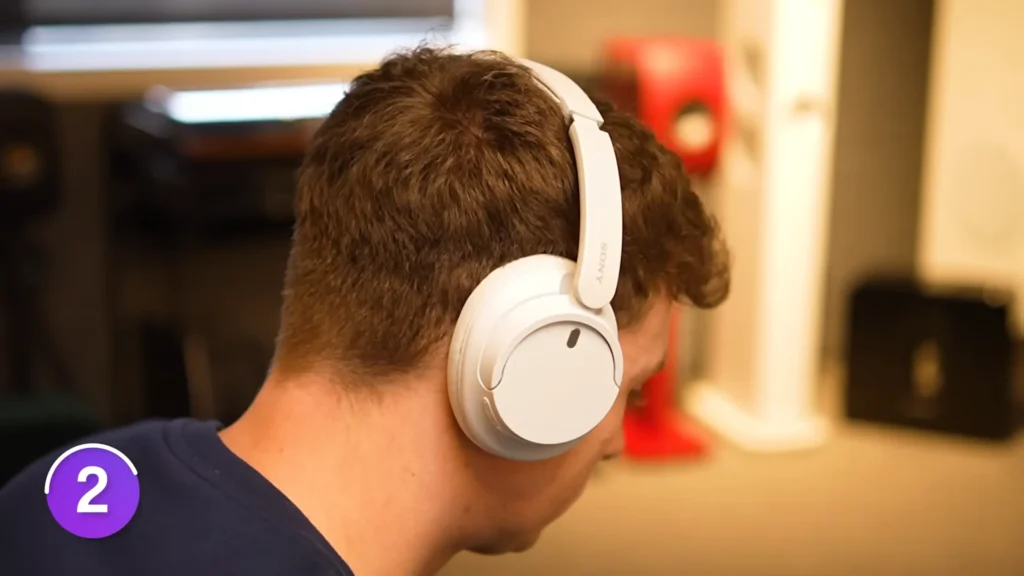
Winner: Wired — unlimited playtime, zero charging hassle. Ideal for gaming anytime.
Price & Value
Wired headsets consistently benefit your wallet. Because they don’t need batteries, wireless radios, built-in DACs, or charging circuits, manufacturers can put more of the budget into drivers and build quality at any given price point.
Wireless headsets carry a premium for the convenience of going cable-free. You’re paying for the wireless technology, battery, and often extra features like ANC or touch controls — not necessarily for better sound.
You’ll usually find that a $60 wired headset outperforms a $60 wireless one in audio quality. That said, if wireless convenience genuinely improves your gaming experience, think about gaming on a couch far from your console; the premium might be worth it to you.
Winner: Wired — better sound quality per dollar at every price point.
Design, Comfort, and Convenience
Most wired models, like the FIFINE H9 gaming headset, tend to use durable materials with adjustable headbands, memory foam cushions, and lightweight frames. Many include handy inline controls for volume and mic adjustments.
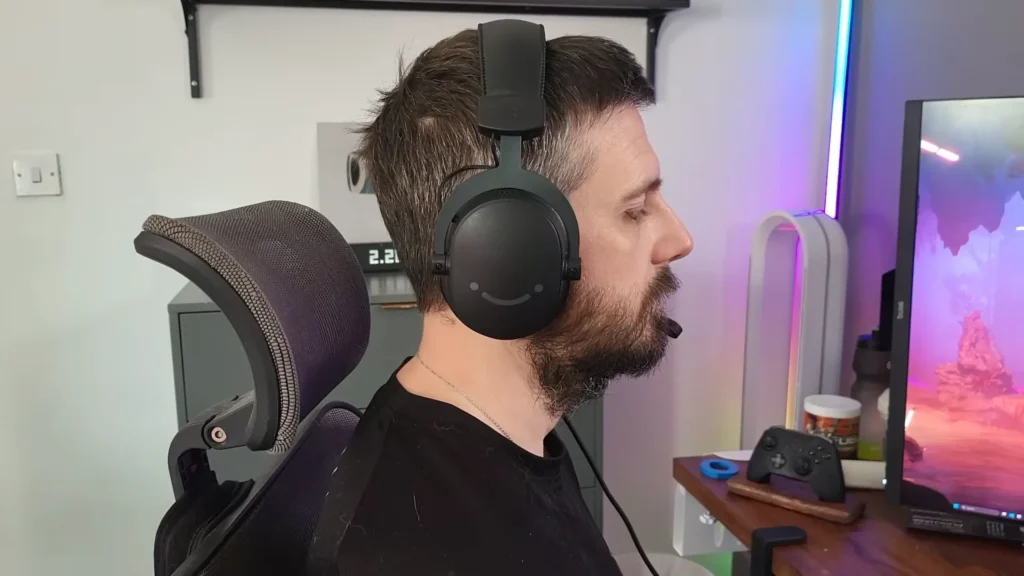
Wireless headsets focus on sleek, modern aesthetics and portability. No cable means you can lean back, get up for a drink, or shift around without restriction. For the weight, they’ve gotten lighter as battery technology has improved, and most offer the same comfort features — plush ear cushions, adjustable headbands, breathable materials.
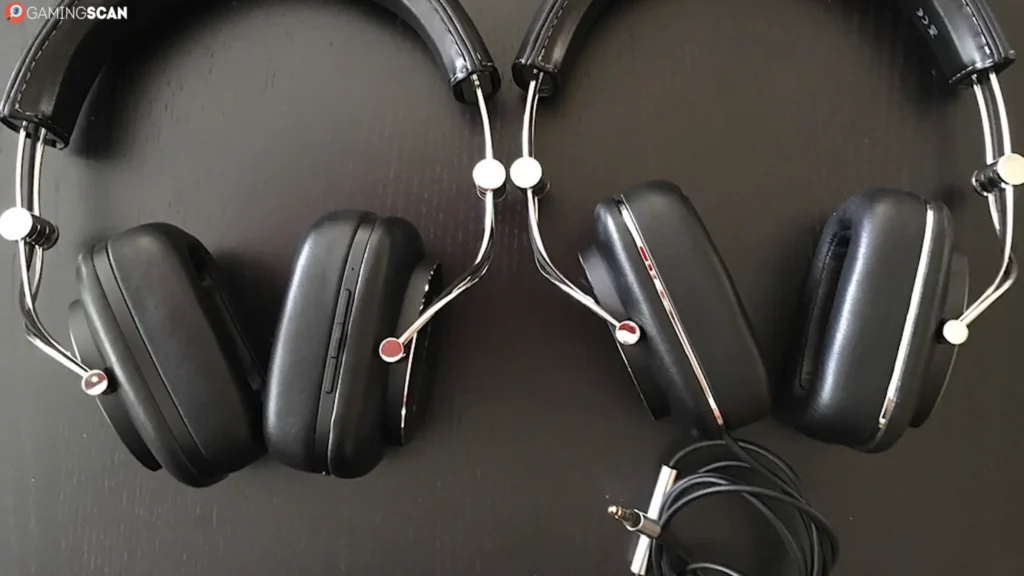
The flip side? Cables tangle, fray, and limit your range. But they also never run out of battery, never experience signal interference in crowded wireless environments, and never need firmware updates.
Winner: Wireless — for freedom and convenience. Wired if you prefer simplicity and reliability.
Wired vs Wireless Headset: Which One Should You Go For?
Numbers and specs only tell part of the story. The best headset for you depends less on which technology “wins” on paper and more on how you actually game.
Wired Is Your Best Bet If You…
- Play competitive multiplayer. Competitive games like FPS titles, fighting games, and battle royales require split-second reactions.
- Game at a desk. If your PC or monitor is right in front of you, the cable is barely noticeable.
- Want the most out of a tight budget. Dollar for dollar, wired headsets punch above their weight in audio quality, especially if you’re spending under $80 and want the best sound.
- Care about critical listening. Wired headsets like Sennheiser HD 800S territory features the bit-perfect playback and full control over the signal chain. Ideal for audiophiles, music producers, or anyone mixing audio alongside gaming.
Wireless Is Your Best Bet If You…
- Game from a couch or across the room. Console gamers sitting several feet from their TV benefit the most from wireless freedom.
- Switch between devices frequently. A Bluetooth headset with multi-device pairing saves you from constantly plugging and unplugging cables.
- Hate cable clutter. If you find cables genuinely distracting, the wireless premium is worth paying.
- Travel or commute with your headset. Active noise cancellation and compact, foldable designs for travel freedom.
- Value multitasking flexibility. Wireless keeps you connected while you move, whether you grab a snack, answer the door, or stretch mid-match.
The “Both” Camp
Here’s something most reviews won’t tell you upfront: a lot of gamers end up owning one of each. A wired headset for serious, competitive sessions at the desk and a wireless set for casual play, console gaming, or general media use. If your budget allows it, that combo covers every scenario without compromise.
Wrapping Up on Wired vs Wireless Headsets
Wired vs wireless headset for gaming? Wired gaming headsets are the overall winner after our tests and comparison. They offer superior sound quality per dollar, zero latency, unlimited playtime, and rock-solid reliability. If you game primarily on PC and care about competitive performance, wired is the clear choice.
That said, if you’re a console gamer who sits far from the screen, you use your headset across multiple devices, or cable management drives you up the wall. And honestly? Many gamers end up owning both. Wired for serious sessions at the desk, wireless for everything else. That’s the real sweet spot.
FAQ
Is wireless gaming audio quality good enough for competitive play?
For most players, yes, especially with 2.4 GHz wireless headsets. The sound quality difference between wired and modern wireless is minimal for in-game audio. However, if you’re playing at a competitive level where every millisecond of audio sync matters, wired remains the safer bet.
Do wireless headsets have noticeable lag?
It depends on the connection type. Standard Bluetooth can introduce 150–300 ms of delay, which is noticeable. 2.4 GHz wireless and aptX Low Latency Bluetooth reduce this to around 40 ms or less — acceptable for most gaming. Wired connections have essentially zero delay.
How long do wireless gaming headset batteries last?
Typically, 10 to 30 hours per charge, depending on the model and usage. Features like active noise cancellation drain the battery faster. Most gamers recharge every one to three days.
Should I choose Bluetooth or 2.4 GHz wireless?
If you’ll use the headset across multiple devices (phone, tablet, console), Bluetooth offers better compatibility. If you game exclusively on PC or a single console, 2.4 GHz wireless delivers better audio quality and lower latency — but requires a USB dongle.
Are wired headsets more durable than wireless ones?
Wired headsets have fewer components that can fail (no battery degradation, no wireless radio), but cables can fray or break over time. Wireless headsets may eventually see a decrease in battery capacity after years of use. Both types are durable when built well — focus on build quality over connection type.
