

Microphone Polar Patterns: 6 Patterns You Should Know for Your Mic

How do you know where your microphone picks up your sound? That’s why polar patterns matter a lot. Your mic might capture sound from every direction — or laser-focus on a single source while ignoring everything else.
The microphone polar patterns shape your recording. By understanding the polar patterns, you’ll know how to use your mic better. We’ll break down every major polar pattern and help you match the right one to your scenario.
Head to Head: Polar Patterns at a Glance
| Polar Pattern | Picks Up From | Side Rejection | Proximity Effect | Best For | Avoid When |
|---|---|---|---|---|---|
| Cardioid | Front | Moderate | Yes | Solo vocals, podcasting, streaming, live performance | You need a full room ambience |
| Supercardioid | Tight front + slight rear | Strong | Yes | Noisy stages, isolating vocals in a band setting | Two people face each other across a mic |
| Hypercardioid | Very tight front + small rear lobe | Very strong | Yes | Close-miked vocals, rejecting side noise | You can’t use a pop filter |
| Omnidirectional | All directions equally | None | No | Group recordings, ambient capture, lavalier mics | Loud stages or untreated rooms |
| Bi-directional (Figure-8) | Front and rear | Very strong | Yes (strongest) | Duet recordings, mid-side stereo, acoustic guitar | Isolating one source in a noisy room |
| Shotgun (Lobar) | Extremely narrow front | Weak | Mild | Film/TV, outdoor interviews, video production | Indoor rooms needing full ambience |
What Is a Microphone Polar Pattern?
A microphone converts sound waves into an electrical signal. The polar pattern describes where around the mic that conversion happens most effectively. In other words, the directions from which the mic is most sensitive to incoming sound.
A polar graph, a circular diagram in spec sheets or on product pages, shows the mic’s relative sensitivity at different angles. Sound arriving from the front (0°) is typically at full sensitivity, while sound from the sides (90°/270°) or rear (180°) drops off depending on the pattern.
Cardioid: The One You Probably Need
The cardioid polar pattern is the most common in recording microphones, and for good reason. Named after its heart-like shape on the polar graph, a cardioid mic picks up sound primarily from the front while rejecting most of what comes from the rear.
Cardioid mics help you capture a clean, direct signal. They minimize room reflections, reduce background noise from things like fans or air conditioning behind you, and they work well in less-than-perfect acoustic spaces. If you’re recording vocals, podcasts, acoustic instruments, or voiceovers in a home studio, cardioid is almost always the right call.

The Trade-off in the Cardioid Mic
Cardioid mics exhibit the proximity effect. This can add warmth and body to a voice (think FM radio announcer), but it can also make things sound muddy if you’re too close without adjusting your EQ. Back off a few inches, and the tone evens out.
A recording engineer, James, from @Studiospares TV, spoke into a cardioid microphone. “As I get closer, the bass frequencies in my voice become more pronounced. As I back off, the tone becomes more natural”, he said.
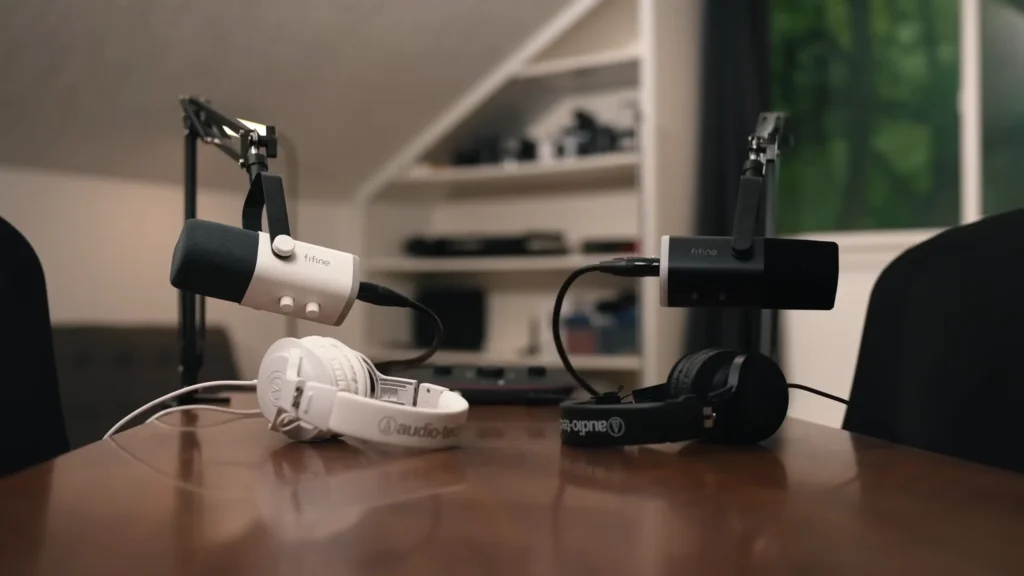
Best Cardioid Microphone: FIFINE AM8
With the cardioid polar pattern, the FIFINE AM8 microphone is ideal for your streaming, podcast, or voice recording. It delivers noticeably better noise rejection—helping to minimize common distractions like keyboard clicks, distant traffic, or household sounds.
Omnidirectional: When You Want Everything
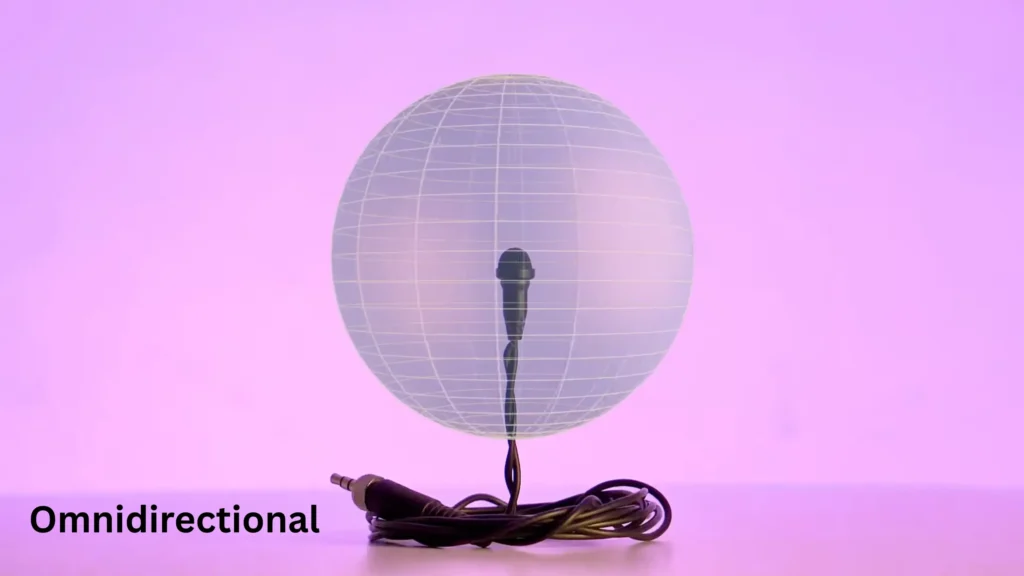
An omnidirectional (omni) mic picks up sound equally from all directions — front, back, sides, above, and below. On the polar graph, it’s a near-perfect circle.
Omni mics capture the most natural, uncolored sound of any polar pattern. They have the flattest frequency response, which means what you hear in the room is close to what ends up on the recording. Think about your Karaoke mics and lavalier mics. They also don’t suffer from the proximity effect, so you can get close without that bass buildup.
The Trade-off in Omni Mic
They hear everything and pick up room reflections, background chatter, HVAC hum — all of it. In a reverberant or noisy room, that’s a problem. As @Leisuretec Distribution Ltd puts it, “when using omni mics on stages or in loud environments, they can be easily drowned out or result in major feedback.”
Also, omni mics are the least sensitive to handling noise and wind compared to other patterns. If you’re recording outdoors or on the move, that’s worth knowing.
Best Omni Mics: FIFINE K668 and M9
The omnidirectional pickup pattern in the FIFINE K668 microphone captures sound from all directions, making it convenient for group chats and ambient recording. It doesn’t require strict positioning, allowing for a more relaxed and versatile recording experience.
Also, the FIFINE M9 lavalier microphone captures your sound from everywhere with the omnidirectional pattern. Ideal for your vlogging, interview, or daily shooting.

Figure 8 (Bidirectional): Front and Back, Nothing From the Sides
The figure 8 pattern, also called bidirectional, looks exactly like the number 8. It picks up sound equally from the front and the rear of the mic while strongly rejecting sound from the sides.
That strong side rejection makes figure 8 mics excellent for isolating sources in specific scenarios. Recording two vocalists facing each other with a single mic? Figure 8 handles it. Want to succeed in the stereo recording techniques like mid-side (M/S) and Blumlein? Figure 8 is your right hand.

The Trade-off in Figure 8 Mics
Figure 8 mics have the most pronounced proximity effect of all the patterns — bass builds up fast as you move in close. They’re also the most sensitive to wind and handling noise. And because they pick up from the rear, you need to be mindful of what’s behind the mic, not just in front of it.
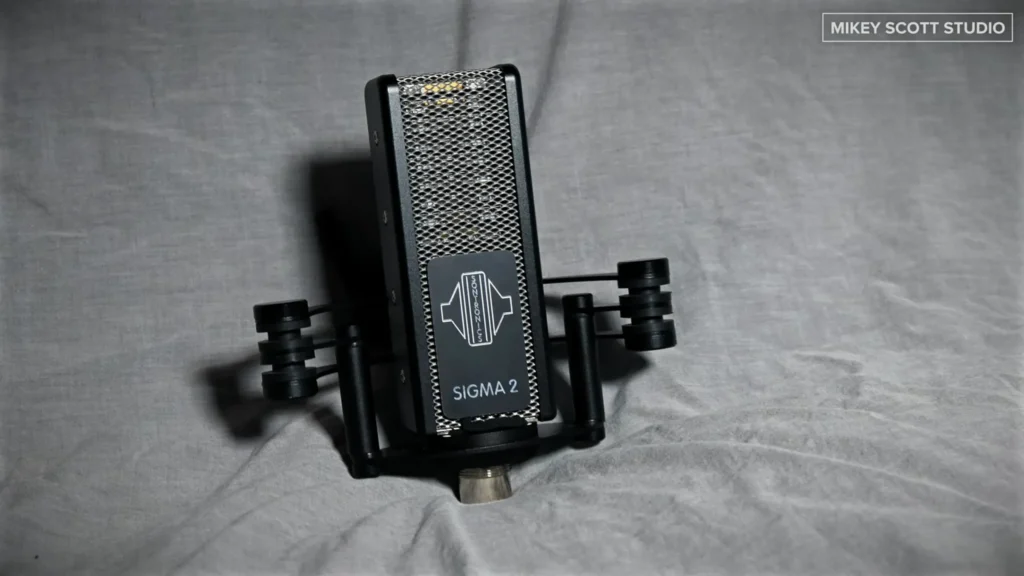
Best Figure 8 Mics: Sontronics Sigma 2
Sontronics Sigma 2 is a bi-directional microphone. It’s got a really focused pickup at the front, a lot of rejection at the sides, and then another really focused pickup at the back.
Supercardioid and Hypercardioid: Tighter Focus, More Control
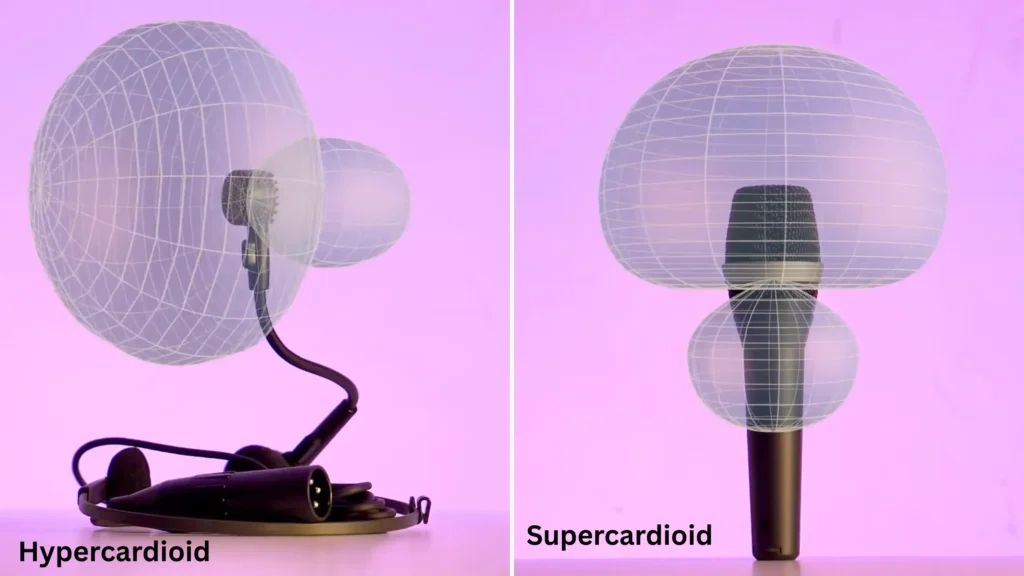
These two patterns sit between cardioid and figure 8 on the directionality spectrum. They narrow the pickup area in front of the mic for tighter focus, but they introduce a small rear lobe.
Supercardioid offers more side rejection than a standard cardioid, with a small trade-off in rear rejection. It’s a go-to choice for miking individual drums (especially toms) and guitar cabinets in live settings, where bleed from nearby sources is a constant battle.
Hypercardioid takes the focus even tighter. More side rejection, but more rear sensitivity too. On stage, this can cause feedback issues if floor monitors or side fills are behind the mic.
What You Should Take Care Of:
The narrower the pattern, the more precise your mic placement needs to be. Move slightly off-axis with a supercardioid or hypercardioid, and you’ll hear the difference immediately.
Also, these mics are sensitive to vocal plosives. They “are sharp, popping sounds you can get from words like kite, pod, and golf”, said @Leisuretec Distribution Ltd.
Supercardioid and Hypercardioid Mic: Audio-Technica Pro 8
This supercardioid headset microphone excels at isolating vocals and suppressing noise from the sides and rear.

Shotgun: Maximum Directionality
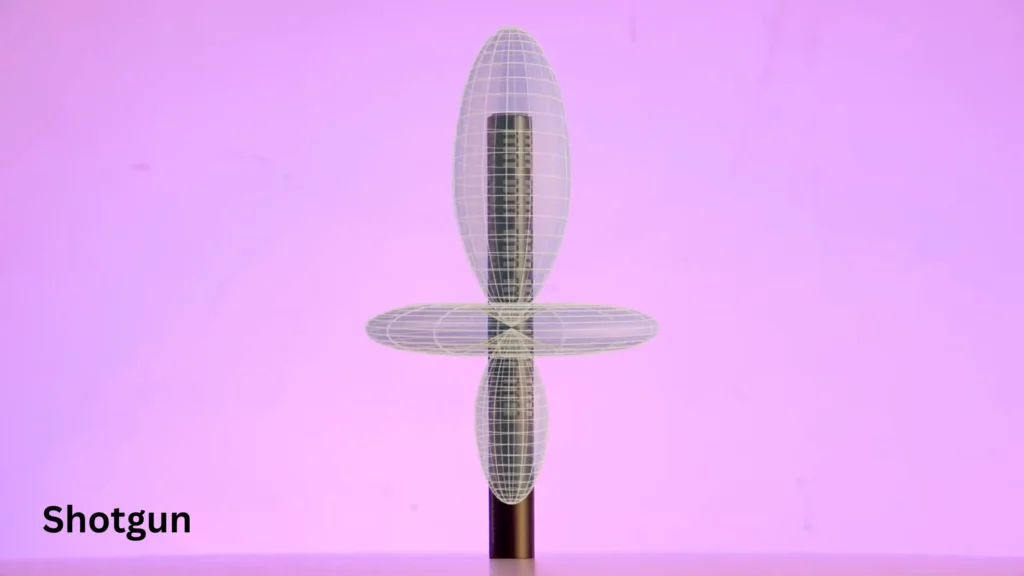
Shotgun mics take directionality to the extreme. They use an interference tube to create a super-narrow pickup pattern that reaches further than any standard polar pattern.
You can place a shotgun mic much further from the source than other mics and still capture clean, usable audio. That’s why you see them on boom poles on film sets and mounted on top of cameras.
The Trade-off in Shotgun Mics
Shotgun mics demand precise aiming. Drift off-axis by even a small amount, and the audio quality drops noticeably. They also pick up some sound from directly behind, so operators need to be quiet.
You have to be able to shine it right at their mouth. A really thin torch beam. And if you go a tiny bit off, then you don’t get the audio. It cuts out.
@Alitu & The Podcast Host on YouTube
Shotgun Mics for You: Audio-Technica 897
Whether capturing the complete ambiance of a space or serving as a stationary microphone for moving sound sources, the Audio-Technica 897 shotgun microphone rises to the task. It offers highly focused and clear pickup from the front, while exhibiting significant attenuation from the sides and rear.

How to Choose the Right Polar Pattern
Picking a pattern comes down to three questions: What are you recording? Where are you recording? How many sources do you need to capture?
| Your Situation | Go With |
|---|---|
| Solo vocals, podcasting, streaming | Cardioid |
| Live stage with loud band or monitors | Supercardioid |
| Noisy office, shared space, outdoor recording | Supercardioid or hypercardioid |
| Group recording around one mic | Omnidirectional |
| Two-person interview with one mic | Bi-directional (figure-8) |
| Film, TV, or video production | Shotgun |
| Acoustic instruments in a great-sounding room | Omnidirectional or bi-directional |
Pro Tips: check out the spec sheet that includes a polar diagram — a circular graph showing sensitivity at 360 degrees around the mic. The front sits at 0° (top), and 180° is directly behind. Always check the response in the range of whatever you’re recording for an accurate picture of real-world performance.
Multi-Pattern Mics: FIFINE K690 Microphone
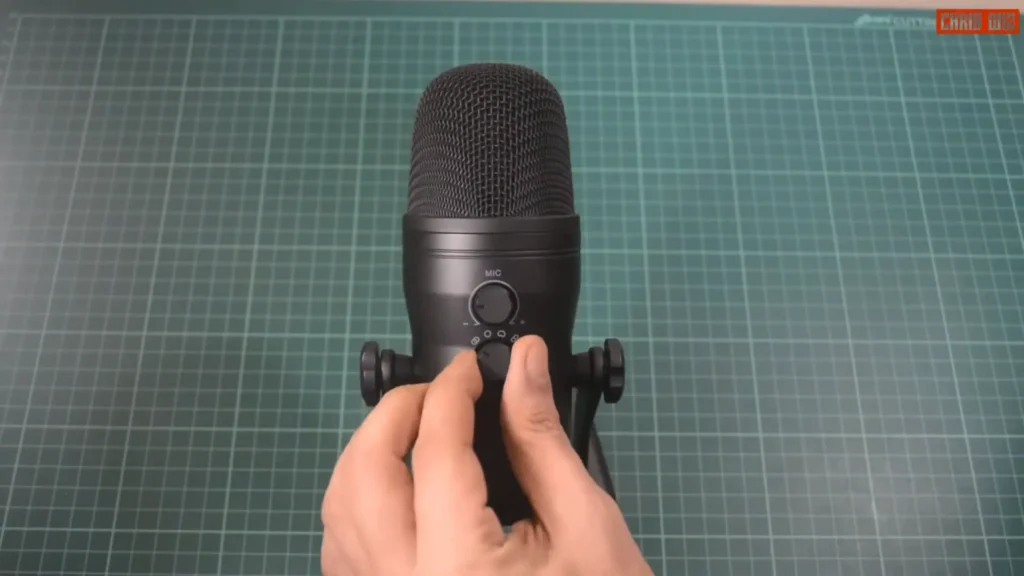
Fine K690 USB condenser microphone offers switchable polar patterns — Cardioid, Omni, Bidirectional, Stereo.
It gives you flexibility to experiment. Want to test whether omni sounds better than cardioid for a particular vocal? Flip the switch instead of swapping mics. Trying mid-side recording for the first time? You’ve got the figure 8 setting ready to go.
Final Words on Microphone Polar Patterns
Cardioid wins for most people, most of the time. It handles the widest range of scenarios with the least fuss. That said, go omni if you record in a treated room and want the most natural sound, or need one mic for a group. Pick figure 8 for stereo techniques, face-to-face recording, or ribbon mic work. Choose supercardioid/hypercardioid when side bleed is killing your takes. Go shotgun for video production and noisy outdoor recording.
The right microphone polar pattern makes your work successful in half. Nail the pattern and placement first — everything downstream gets easier.
FAQs
What is the most common microphone polar pattern?
Cardioid. It’s the default pattern for most vocal, podcasting, and live performance microphones because it balances good front sensitivity with effective rear rejection.
Can I change the polar pattern on my microphone?
You can use a multi-pattern mic like FIFINE K690. It allows you to switch between Cardioid/Omni/Bidirectional/Stereo.
What is the proximity effect?
It’s a bass boost that occurs when you move closer to a directional microphone (cardioid, supercardioid, hypercardioid, or figure-8). Omnidirectional mics don’t exhibit it. You can use the proximity effect creatively for a warmer vocal sound, or reduce it by increasing your distance from the mic.
Should I use a shotgun mic for podcasting?
Generally, no. Shotgun mics are designed for distance recording and work best on film sets or outdoor shoots. For podcasting, a standard cardioid mic positioned close to your mouth will give you better, more consistent results with less effort.
What polar pattern is best for recording two people with one mic?
Bi-directional (figure-8). Both speakers sit on opposite sides of the mic, and the pattern captures both equally while rejecting noise from the sides. Just make sure both people stay close to the mic for the best sound.
